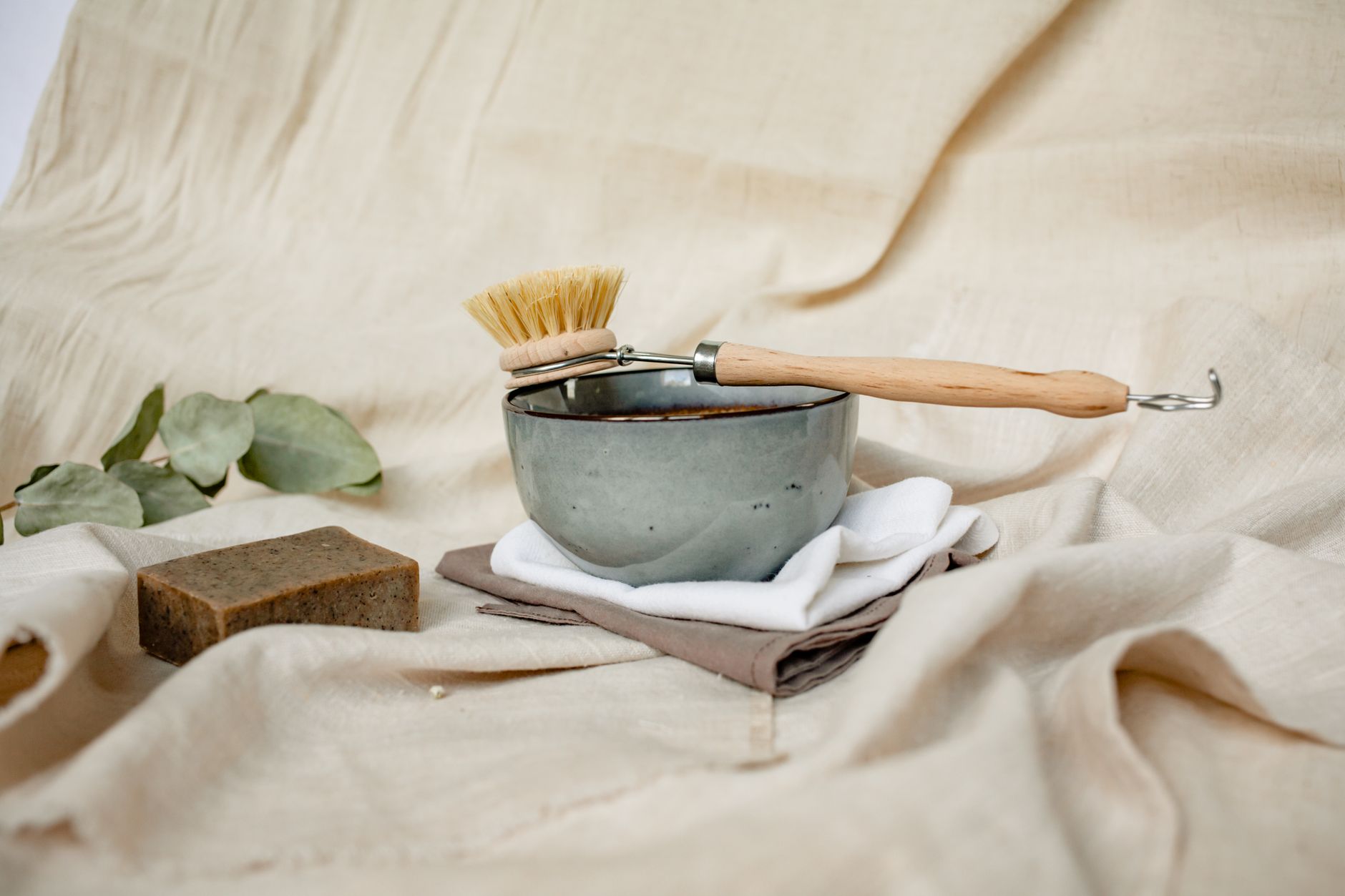
Three years ago I swapped my kitchen-tools-5-essentials-that-earn-their-space/”>kitchen trash bags for compostable ones. Two weeks later, the bottom of the bin was a soupy disaster. That failure taught me more than any eco-marketing pitch ever could: sustainable kitchen swaps only work when they survive real cooking, real spills, and real laziness. So I tested the category hard — bamboo utensils, beeswax wraps, Swedish dishcloths, refillable soap systems, the whole shelf. Most of it earns a permanent spot in my kitchen. Some of it is expensive theater. Here is what actually holds up. Best Blenders for Smoothies.
American households throw away roughly 30 percent of the food they buy. Kitchens also generate a huge share of the plastic waste that never breaks down. The swaps below cut both problems at the source — less cling film, fewer paper towels, fewer single-use bottles. Small changes, repeated daily, beat dramatic overhauls you abandon by February.
Top 5 Picks
1. Swedish dishcloths (the 70/30 cellulose-cotton blend)

Verdict: The single best swap on this list. One cloth replaces about 15 rolls of paper towels.
Pros: Absorbs 20 times its weight, machine-washable, composts fully when it wears out. A three-pack costs under $15 and lasts six months or more.
Cons: They get stiff when air-dried. They smell sour if you leave them crumpled and wet. You have to wring them out and lay them flat.
2. Beeswax wraps
Verdict: Great for cheese, bread, and covering bowls. Not a cling film replacement for everything.
Pros: The warmth of your hands seals them. They keep hard cheese fresher than plastic. Reusable for about a year before the wax fades.
Cons: You cannot use them on raw meat or fish, and heat destroys them. Wash in cool water only — hot water melts the coating right off.
3. Bamboo and beechwood utensil sets
Verdict: Buy these for your nonstick pans, not for the planet’s sake alone. They simply work better.
Pros: No scratching, no scratching sound, no scratched coating. Lighter than metal and cheap enough to replace without guilt.
Cons: They absorb odors and stain. Bamboo specifically can crack if it sits in the sink overnight. Oil them monthly and hand-wash only.
4. Solid-bar dish soap and shampoo concentrate
Verdict: The best refill system I have tested. Cuts plastic bottles to near zero with no drop in cleaning power.
Pros: One bar lasts as long as two or three bottles of liquid. No shipping water weight. Works in hard water if you pick a coconut-oil base.
Cons: Bars leave residue on sponges if you over-scrub. Some formulas streak on glass. You will test two or three brands before you find yours.
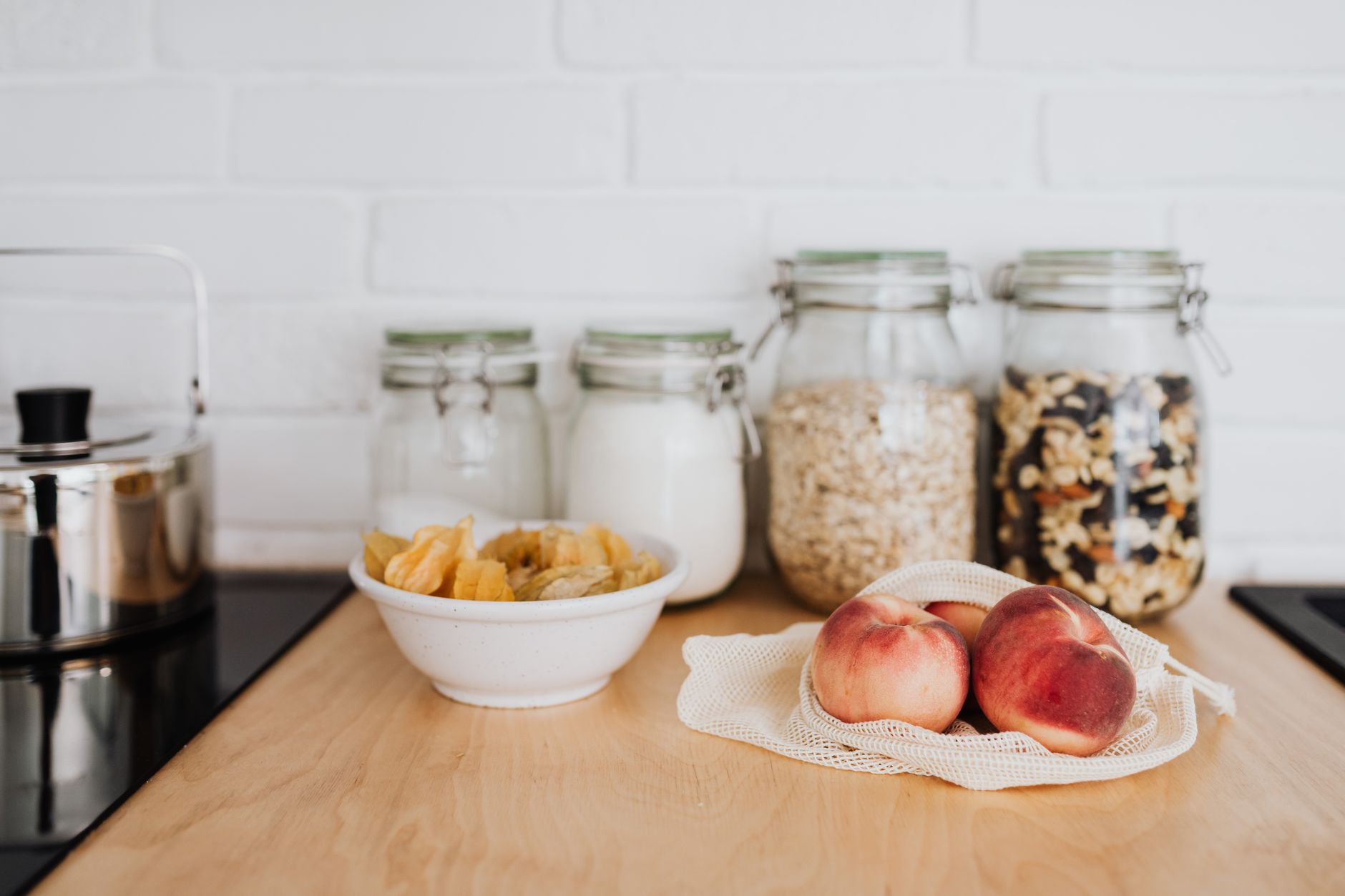
5. Reusable produce bags (cotton mesh)
Verdict: Worth it, but only if you actually remember them. Keep them in your car, not your cupboard.
Pros: Light enough that grocery scales ignore them. Breathable, so greens last longer than in plastic. Machine-washable and dirt cheap.
Cons: They absorb moisture from wet produce and can transfer smells between items. Buy the drawstring kind, not the flimsy open-top ones.
Buying Guide
Ignore the green labels. Look at three things instead: material composition, end-of-life path, and how it performs on day 30, not day one.
Materials that matter. For textiles, look for GOTS-certified organic cotton or a cellulose-cotton blend. For wood, FSC-certified bamboo or beechwood. For wax wraps, food-grade beeswax with jojoba or coconut oil — not paraffin. If a product lists “plant-based” without a certification, treat it as marketing until proven otherwise.
End-of-life claims. “Compostable” means nothing without a certification number. Look for BPI or TÜV OK Compost Home. Home compostable is the real standard. Industrial-only compostable items go straight to landfill in most cities, where they behave exactly like plastic.
Durability specs. A Swedish dishcloth should survive 50-plus washes. Beeswax wraps should stay tacky for at least 12 months. Bar soap should last 60 days of daily dishwashing. If the listing does not state a lifespan, assume the shortest one.
Cost per use, not sticker price. A $20 beeswax wrap set that lasts a year beats $3 of cling film every month. Run the math before you buy. The sustainable option usually wins on year two, and almost never on month one.
Cleaning requirements. This is where most swaps die. If it cannot go in the dishwasher or washing machine, it will end up in a drawer. Read the care instructions before checkout, not after.
- Buy one category at a time. Swapping five things at once guarantees you abandon three.
- Prioritize items you touch daily: dishcloths, utensils, soap. Skip the novelty gadgets.
- Check for BPI or TÜV OK Compost Home certification on anything labeled compostable.
- Run a cost-per-use calculation over 12 months before buying anything over $25.
- Keep reusable bags and cloths visible. Storage location predicts usage better than willpower.
What to Avoid
Bamboo everything. Bamboo cutlery sets and bamboo straws are the category’s biggest scam. They crack, they taste like grass, and most are glued together with formaldehyde-based adhesives. The “bamboo” label sells the product; the adhesive ruins it. Stick to bamboo for utensils and cutting boards only.
Silicone overload. Silicone bags look perfect until you roast them. Then they hold onto the smell of last week’s salmon forever. They are also not recyclable in most curbside programs. Buy one or two for freezer use, not a full set.
Uncertified “biodegradable” plastics. If it says biodegradable but carries no certification, it is conventional plastic with a nicer font. These break into microplastics faster and pollute harder.
Compost bins you will never empty. Countertop composters are great if you have a yard or a pickup service. Without one, you have a $60 fruit-fly habitat. Solve the disposal problem before you buy the bin.
Refill subscriptions you do not need. A monthly refill box ships packaging to replace packaging. Buy concentrates in bulk, locally, when you can.
Here is the counter-intuitive part: the most sustainable kitchen purchase is often the one you already own. That scratched nonstick pan? Keep it until it truly fails. Replacing working items with “greener” ones is consumption wearing a hemp shirt. The greenest dollar is the one you do not spend.
Overlooked Category
Everyone talks about wraps and cloths. Almost nobody mentions water filtration, and it is the swap with the biggest measurable impact in my kitchen.
A countertop carbon filter or a simple under-sink system eliminates hundreds of plastic bottles per household per year. That is not a rounding error. Tap water in most US cities is already safe. The filter is mostly for taste, and taste is what drives people to buy bottled water in the first place. Fix the taste, kill the bottle habit.
The catch: most pitchers use proprietary cartridges you have to buy forever. That locks you into plastic waste and a subscription. Look for systems with standard 10-inch cartridges or refillable media. A $40 countertop unit with generic cartridges beats a $120 branded pitcher with locked-in refills every single time. Check your local water report first. If your municipality already delivers good-tasting water, you may only need a $15 carbon block and a glass carafe.
I ignored this category for years because it felt boring. Boring is the point. The unglamorous swaps are the ones that stick.
Verdict
Start with Swedish dishcloths. They cost under $15, replace the most plastic in the shortest time, and survive actual use. Add bar dish soap next if you want to attack bottles. Buy beeswax wraps and bamboo utensils only when your current tools wear out — not before. Skip bamboo straws, silicone sets, and any “biodegradable” product without a certification number on the label.
The best kitchen is not the one with the most sustainable products on the shelf. It is the one where the same five items get used every day for years. Buy less, buy once, and keep it until it breaks. That is the whole strategy, and it beats every green label on the market.