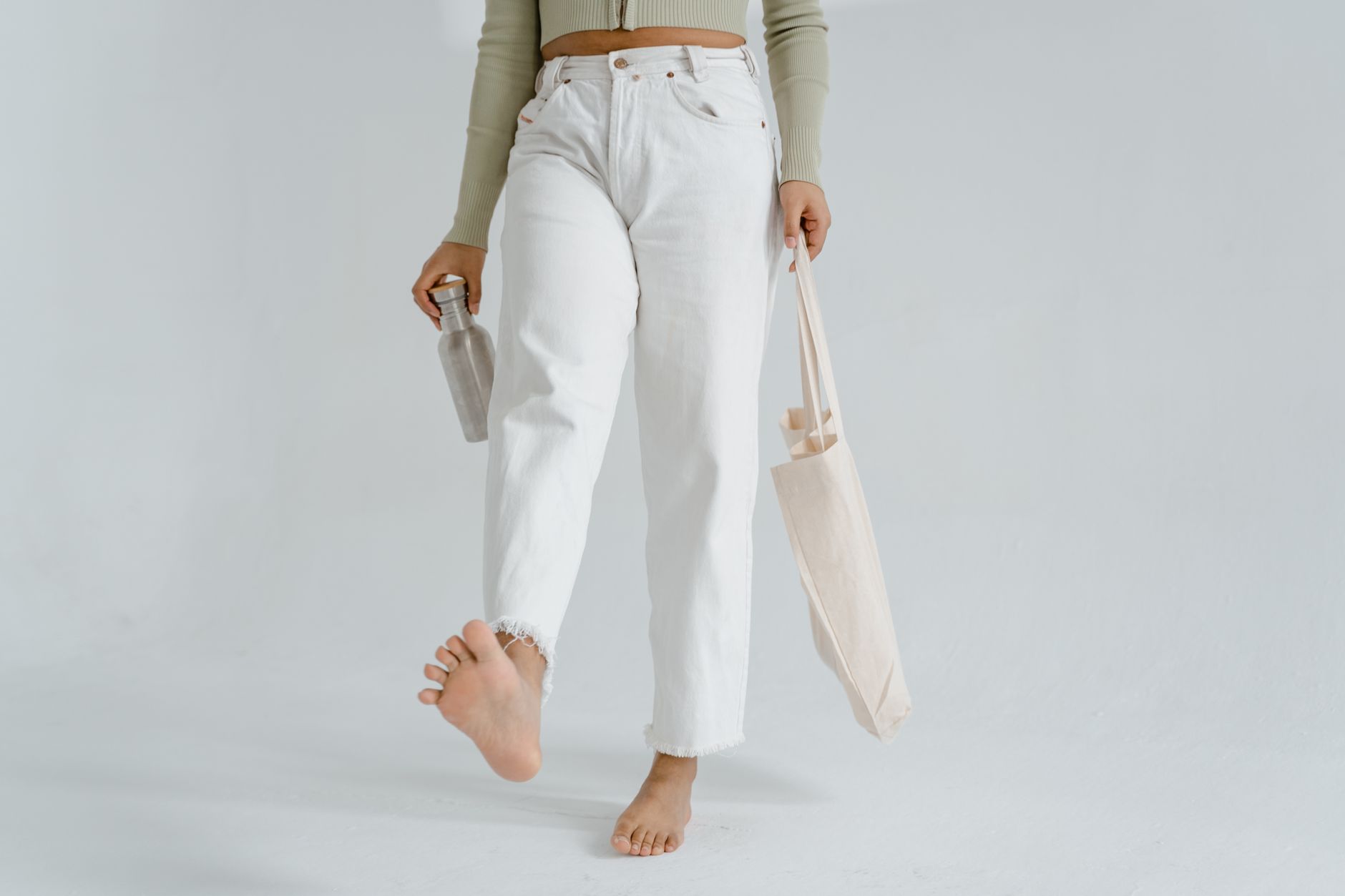
I own four shirts. Not a typo, not a humblebrag. Three years ago I emptied my closet, kept the pieces that actually earned their place, and replaced the rest slowly — one considered purchase at a time. The twist? The shirts that survived turned out to be the ones with a paper trail. I can tell you the mill that spun the cotton, the factory that cut the seam, and roughly what the person at the sewing machine was paid. That kind of transparency changes how you buy. You stop chasing trends and start hunting for durability, repair options, and honest supply chains. Sustainable fashion isn’t a vibe or a color palette. It’s a set of verifiable practices, and most brands waving the green flag can’t back it up. Here’s what I found after testing the ones that can.
Why it matters
Fast fashion produces over 100 billion garments a year, and a shocking share ends up in landfills within twelve months. Cheap synthetics shed microplastics with every wash. Buying fewer, better-made pieces cuts waste, saves money over time, and rewards the brands actually doing the work instead of the ones buying glossy certifications.
Top 5 Picks
1. Patagonia — best overall for repair and longevity
Nobody else comes close on after-sale support. The Worn Wear program fixes your gear for free or cheap, and the Ironclad Guarantee means a broken zipper doesn’t kill a $200 jacket. Materials lean heavily recycled, and the supply chain map is public.
- Pros: Free repairs, lifetime guarantee, published factory list, resale marketplace.
- Cons: Premium pricing, technical styling isn’t for everyone, some pieces still use virgin synthetics.
Verdict: If you buy one thing from this list, make it a Patagonia piece you’ll wear weekly for a decade.
2. Nudie Jeans — best for denim
Raw denim, organic cotton, and free repairs for life at their shops. I’ve had a pair patched twice at no cost. The fabric is honest and the fit range keeps improving.
- Pros: Free lifetime repairs, 100% organic cotton, transparent production.
- Cons: Raw denim needs breaking in, repairs require mailing or visiting a shop, limited size range in some cuts.
Verdict: The repair model alone justifies the price. Buy once, patch forever.
3. Eileen Fisher — best for workwear and resale
Timeless silhouettes in natural fibers, plus a take-back program that resells or recycles your old pieces. The Renew program is the real deal, not a marketing stunt.
- Pros: Excellent resale program, natural fibers, generous sizing.
- Cons: High prices, aesthetic skews mature, limited youth-oriented styles.
Verdict: Worth it if you want pieces that outlast trends and hold resale value.
4. Organic Basics — best budget entry point
Basics done right: organic cotton tees, recycled wool, and a low-impact production standard. Prices sit below the premium tier without cutting the ethics.
- Pros: Affordable, certified materials, simple returns.
- Cons: Small catalog, basics only, limited colorways.
Verdict: The smart first purchase if you’re testing the waters.
5. Veja — best for footwear
Leather and canvas sneakers with traceable sourcing and fair-trade rubber. They wear in well and the resale market is strong.
- Pros: Traceable materials, fair-trade rubber, durable construction.
- Cons: Sizing runs narrow, break-in period, limited wide fits.
Verdict: Solid everyday sneakers with a supply chain you can actually verify.

Buying Guide
Ignore the label and read the supply chain. A brand that can’t name its factories is hiding something. Look for specific certifications — GOTS for organic textiles, Fair Trade Certified for labor, bluesign for chemical safety. Vague terms like “eco-friendly” mean nothing without a standard behind them.
Check the fiber content first. Natural fibers — organic cotton, linen, wool, hemp — biodegrade and last longer when cared for properly. Recycled synthetics are better than virgin ones but still shed microplastics. A blend of 5% elastane for stretch is fine; 60% polyester is a red flag for a “sustainable” claim.
Weight and construction matter more than the marketing. Heavier cotton twill outlasts thin jersey. Reinforced seams, bar-tacked stress points, and replaceable buttons signal a garment built to be repaired. Ask whether the brand offers repairs. A repair program is the single best predictor of whether a company believes in its own product.
Then there’s resale value. If a brand’s pieces hold value on resale platforms, that tells you buyers trust the quality. It’s an underrated signal.
What to Avoid
Beware the “conscious collection” that’s 3% of a fast-fashion giant’s catalog while the other 97% churns out disposable clothing. That’s greenwashing with a press release.
Watch for certification logos used without a license number. Real certifications are verifiable. Fake ones are just clip art.
Don’t pay a premium for “carbon neutral” shipping offsets while the garment itself is made from virgin polyester. Offsets are cheap; materials are not. The fiber is where the impact lives.
Skip brands that won’t publish factory lists. If they can’t name where it’s made, they can’t prove how it’s made. And be skeptical of “limited edition” drops designed to create urgency — that’s fast fashion in a nicer font.
Overlooked Category
Repair services and resale platforms. Most buyers hunt for new sustainable brands and miss the biggest lever: keeping what you already own alive. A cobbler who resoles boots, a tailor who patches denim, and resale marketplaces for quality secondhand pieces deliver more impact per dollar than any new purchase. I’ve bought barely-worn Patagonia and Nudie pieces secondhand for a third of retail. The greenest garment is the one already hanging in someone’s closet.
Verdict
Buy less, buy better, and repair what you own. Start with Patagonia if you want the safest bet on longevity and support, Nudie for denim, Organic Basics if budget is tight. Then build a repair habit. That’s the whole game.
- Prioritize brands with public factory lists and real certifications — GOTS, Fair Trade, bluesign.
- Check fiber content: natural fibers first, minimal synthetics, no mystery blends.
- Only buy from brands offering repairs or resale — it signals real quality.
- Shop secondhand and repair existing pieces before buying anything new.