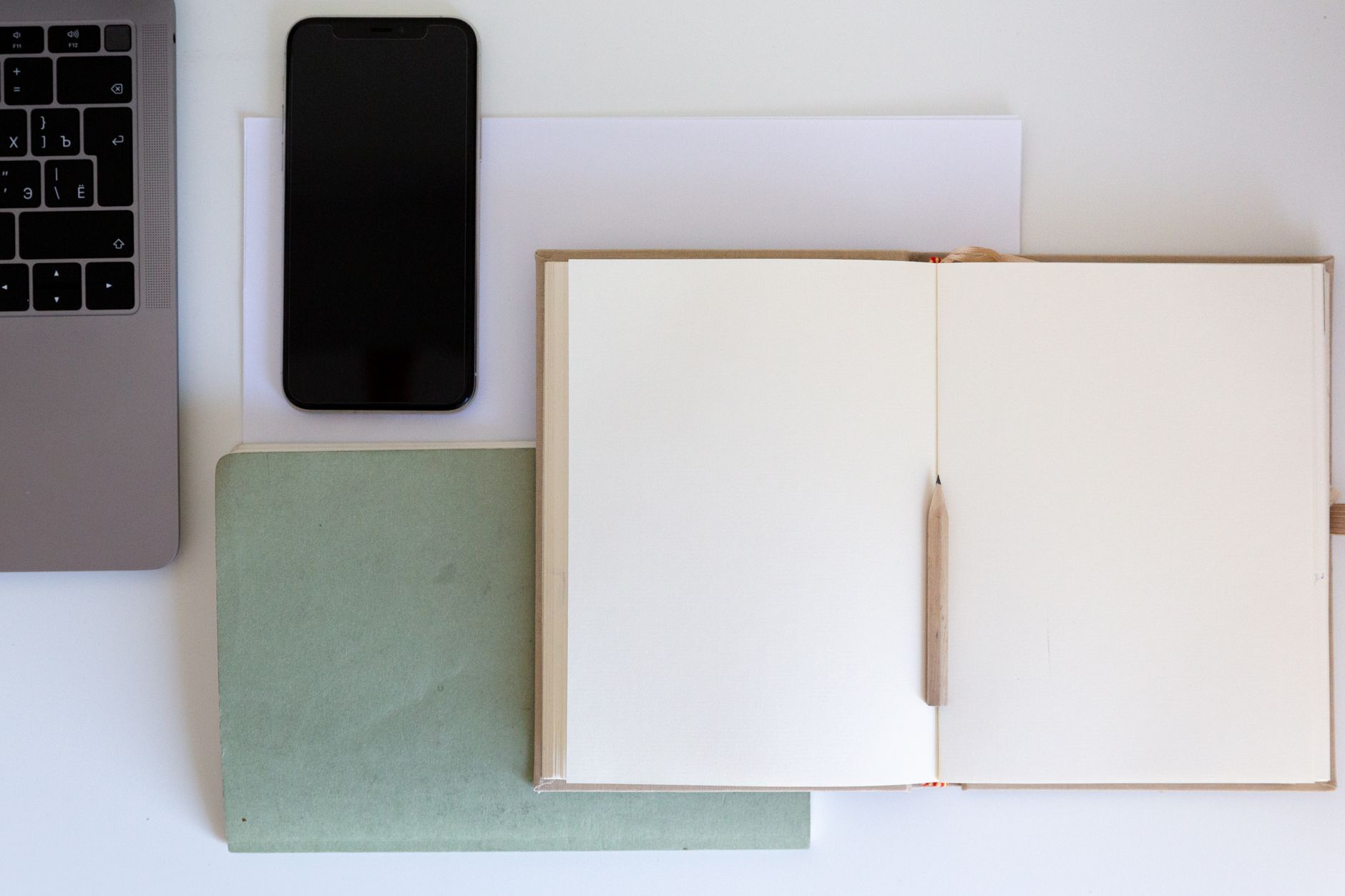
Most productivity advice is noise. Apps, systems, timers, dashboards — all of it competes for the same attention you’re trying to protect. A journal does the opposite. Quiet. Cheap. It forces you to slow down long enough to think. I’ve tested dozens over the years, and the ones that actually stick are built around a single clear constraint, not a hundred optional features. minimalist-phone-setup-5-best-picks-tested/”>Minimalist Phone Setup. Laptops Creators 2026.
Here’s the short version: the right journal doesn’t make you more productive by adding structure. It makes you more productive by removing decisions. Good paper asks one question per page and gets out of the way. Bad paper asks twelve and turns planning into a second job.
Why it matters
You lose focus because your priorities live in six places at once. A dedicated journal collapses them into one. Plans, reflections, and the honest record of what you actually did — one surface for all of it. That consolidation is the whole point. Not aesthetics, not habit streaks, just one place that holds the truth.

Top 5 Picks
1. Leuchtturm1917 Weekly Planner — Best overall
Verdict: The one I keep rebuying. A week per spread on the left, a ruled page on the right. That’s it. The paper handles fountain ink without bleed, and the index at the front means you can find last quarter’s goals in seconds. It’s not exciting. Exciting planners get abandoned.
- Pros: numbered pages, built-in index, excellent 80gsm paper, two bookmarks
- Cons: no daily page, so heavy daily users will need a companion notebook
2. Hobonichi Techo — Best for daily thinking
Verdict: Expensive and worth it if you write every day. The Tomoe River paper is absurdly thin and handles wet ink like nothing else. One page per day, dated, no fluff. The timeline margin is the sleeper feature — it quietly shows you where your hours went.
- Pros: world-class paper, page-per-day discipline, compact A6 size
- Cons: paper ghosts badly, price is steep, dated pages punish missed days
3. Baron Fig Confidant — Best for freeform thinkers
Verdict: A blank-ish notebook that trusts you. No prompts, no dates, no guilt. The cloth cover survives a bag, and the lay-flat binding is genuinely flat. If structured planners feel like a cage, start here.
- Pros: lays flat, durable cover, dot-grid and ruled options, made to be used hard
- Cons: no structure at all, so discipline is entirely on you
4. Moleskine Daily Planner — Best for meetings and deadlines
Verdict: The safe corporate choice, and that’s fine. Date-per-page with a ruled half makes it easy to log calls and next actions. Paper quality has improved but still isn’t Leuchtturm territory.
- Pros: widely available, familiar format, good for time-blocking
- Cons: mediocre paper, overpriced for what it is, no index
5. Rhodia Goalbook — Best value
Verdict: The underrated pick. Clairefontaine paper at a mid price, with a contents page, numbered pages, and a monthly overview up front. It does 90% of what the Leuchtturm does for less money.
- Pros: superb 90gsm paper, sturdy cover, great price-to-quality ratio
- Cons: fewer color options, weekly layout is tighter than some will like

Buying Guide
Paper weight is the first spec that matters. Below 80gsm, gel and fountain pens bleed through and you lose the back of every page. Look for 80–90gsm and check whether the brand names its paper mill — Clairefontaine, Tomoe River, and Leuchtturm’s own stock are all reliable signals. If you write with a ballpoint only, you can relax this rule.
Binding decides whether you’ll actually use it. Lay-flat binding or a sewn spine means the book stays open on a desk without a paperweight. Glued spines crack and curl by month two. For a daily-use journal, this is non-negotiable.
Size is a trade-off you have to make honestly. A6 fits a jacket pocket and travels everywhere but runs out of room fast. A5 is the sweet spot for desk work. Anything larger stays home, and a journal that stays home doesn’t get written in.
Layout structure is where most buyers get fooled. Dated pages create accountability but punish gaps — miss a week and the book feels ruined. Undated pages forgive you, which matters more than most reviewers admit. Match the layout to your actual reliability, not your aspirational self.
- Paper weight of 80gsm or higher prevents bleed-through with most pens
- Lay-flat or sewn binding keeps the book usable on a desk
- A5 for desk work, A6 for travel — pick based on where you’ll actually write
- Choose undated layouts if you know you’ll miss days
- An index or contents page saves hours over a year
What to Avoid
Skip journals with dozens of pre-printed sections. Habit trackers, mood wheels, goal pyramids, gratitude boxes — every extra prompt is a decision you have to make before you can start writing. The planners with the most features are the ones people abandon fastest. A page that asks one question gets filled. A page that asks nine gets stared at.
Be skeptical of “undated but structured” hybrid planners that cram a monthly, weekly, daily, and habit system into one book. They’re usually thin on paper and heavy on gimmicks. Also avoid anything with a magnetic closure or an elastic that’s too tight — both wear out and both get in the way.
Here’s the counter-intuitive bit: premium paper is not always the right call. If you only ever use a ballpoint, paying extra for Tomoe River is wasted money. Spend on binding and layout instead. And don’t buy a planner for the year ahead in January — buy it in November, when you can still return it if the layout doesn’t fit how you actually work.
Overlooked Category
Most buyers never consider a traveler’s notebook system. A leather cover with replaceable inserts lets you swap a weekly planner insert for a blank notebook the moment your needs change. You buy the cover once and the paper forever after. It’s cheaper over three years than rebuying a bound planner annually, and it adapts when your job does. The catch is commitment — you have to choose inserts deliberately, and the system rewards people who already know how they think. For anyone who’s tried three planners and quit, this is the fix.
Verdict
Buy the Leuchtturm1917 Weekly Planner. It has the best balance of paper, structure, and price, and it won’t ask you to maintain a system you didn’t sign up for. If you write every single day, stretch to the Hobonichi. If you hate structure entirely, the Baron Fig Confidant is the honest choice. Everything else is a variation on these three.
One last thing: any journal beats the perfect journal you never open. Pick one this week, use it for a month, and judge it by whether you reached for it without thinking. What’s stopping you from starting today?