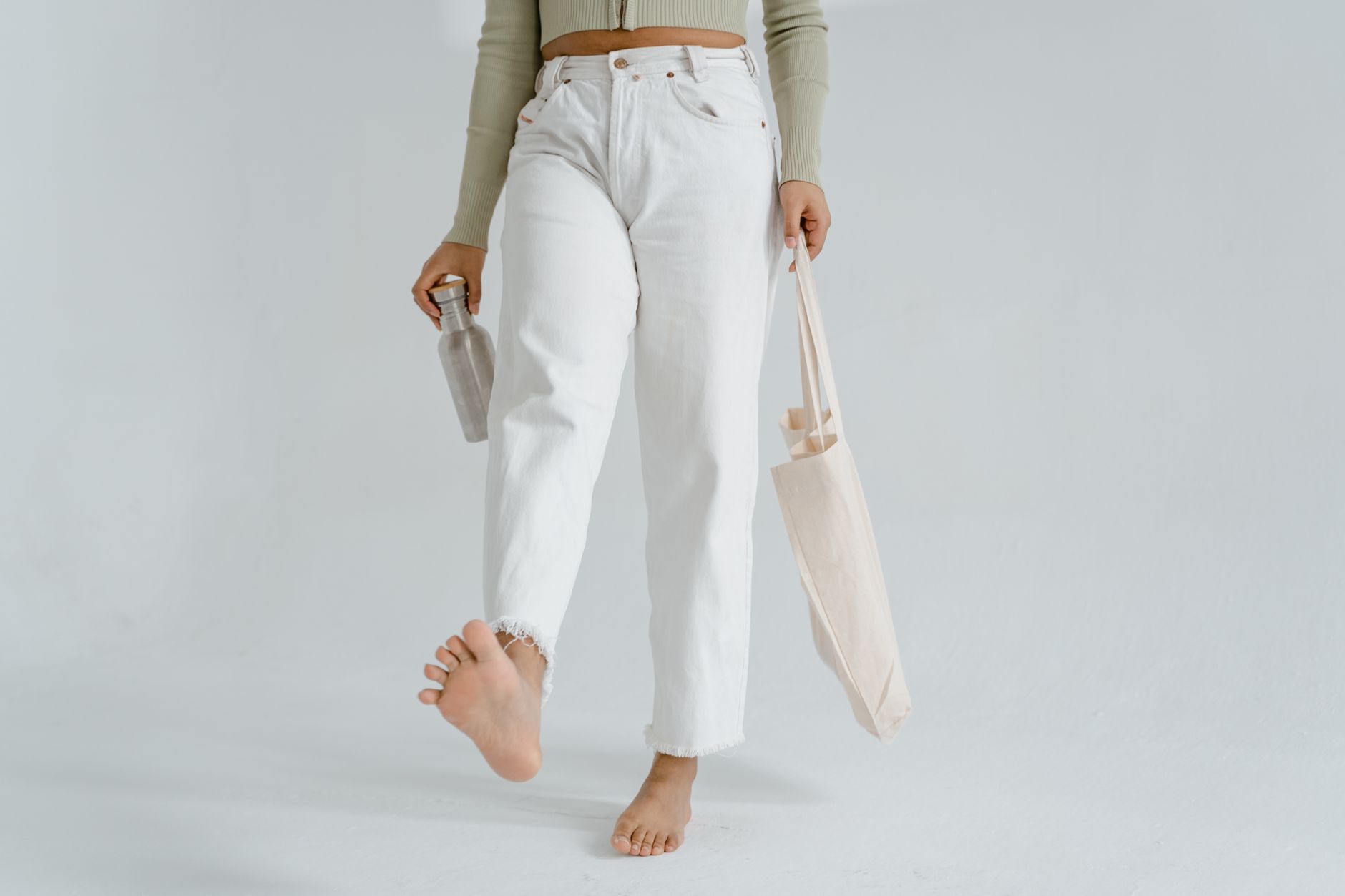
My grandmother washed everything in cold water and hung it on a line. She also owned the same wool coat for thirty-one years. I used to think that was deprivation. Now I think it was a system — one that cost her almost nothing and kept her clothes out of a landfill for three decades. Most of us have the opposite problem: we buy better than we ever have and still wreck our clothes inside eighteen months. The culprit isn’t the fabric. It’s how we treat it after we bring it home. Care is the invisible half of sustainability nobody markets, because you can’t sell someone a habit. So here’s what actually works, tested on my own wardrobe over four years of deliberate, low-volume buying.
Every garment carries a carbon and water debt from the moment it’s made. Washing, drying, and ironing pile more on top — rough estimates put care at a meaningful slice of a garment’s lifetime footprint, and heat is the biggest lever. Extend a shirt’s life from two years to four and you halve its annual impact without buying a single “eco” thing.
Top 5 Picks
1. Guppyfriend Washing Bag — the microplastic catcher. Verdict: buy it if you own any synthetic blend. It traps shed fibers before they hit the drain and doubles as a delicate-wash bag.
- Pros: Cheap, lasts years, measurable fiber capture, protects zippers from snagging other clothes.
- Cons: You have to empty and bin the fibers by hand — mildly gross. Only fits a small load.
2. Wool dryer balls (100% wool, no filler) — the heat-free softener. Verdict: the single best swap for dryer sheets. They cut drying time and leave zero residue.
- Pros: Reusable for hundreds of cycles, no synthetic fragrance, genuinely reduces static in moderate loads.
- Cons: Useless in an overloaded drum. Cheap blended balls shed and mat within months.
3. A front-load washer with a cold-wash cycle and a real spin range — the foundation. Verdict: if you’re replacing a machine, this matters more than any accessory. Front-loaders use less water and are gentler on fabric.
- Pros: Lower water and energy use, gentler agitation, high spin speeds pull more moisture out so drying is shorter.
- Cons: Expensive upfront, and you must clean the door gasket or it smells. Top-loaders with agitators are brutal on knits.
4. A cedar clothes brush and garment brush set — the forgotten maintenance kit. Verdict: brushing wool between wears removes surface soil and revives the nap. It buys you wears before the next wash.
- Pros: Costs little, lasts a lifetime, keeps structured jackets and coats looking sharp.
- Cons: Does nothing for stains or odor. Requires the discipline to actually use it.
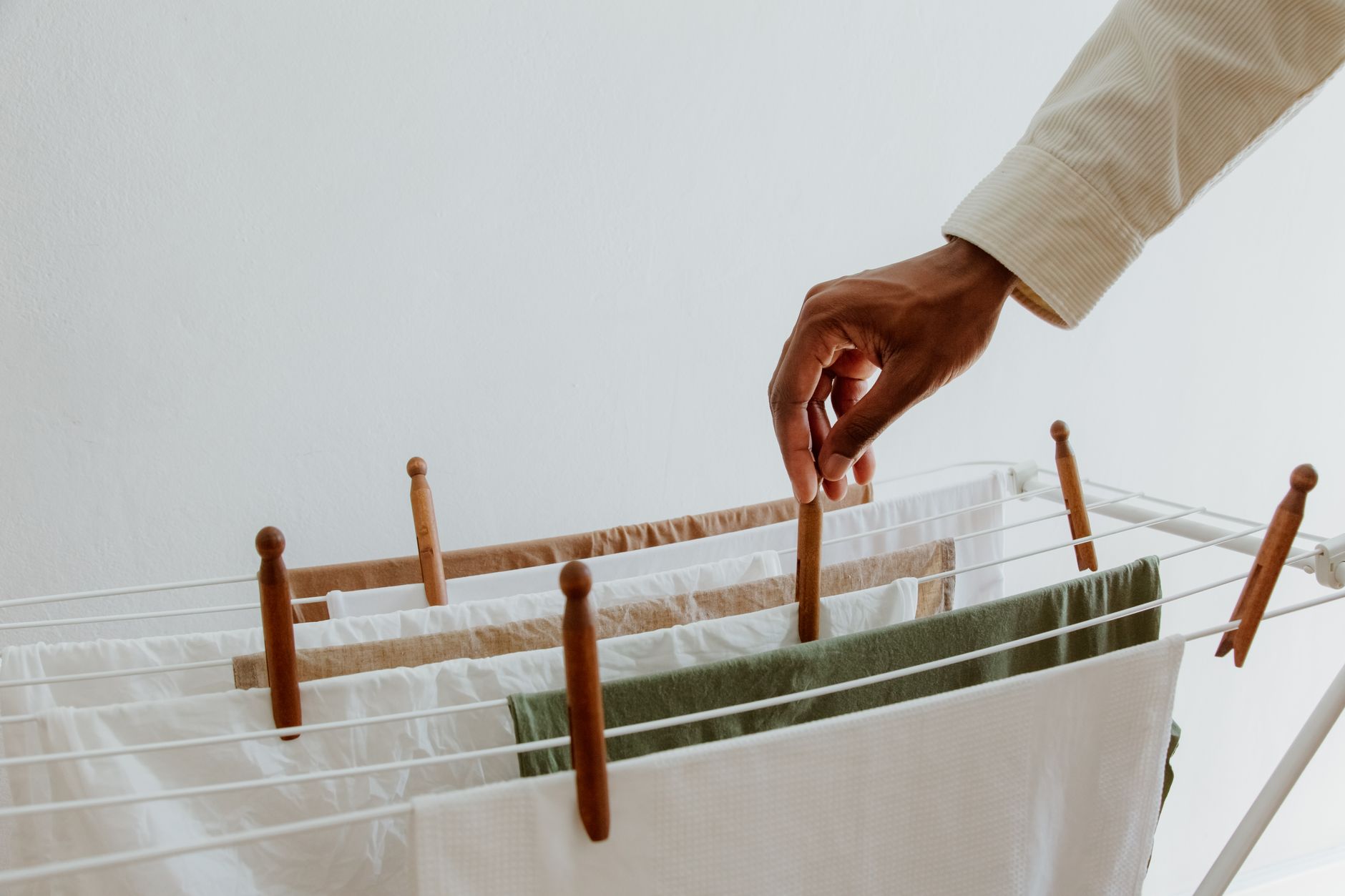
5. A folding drying rack with adequate bar spacing — the anti-dryer. Verdict: skip the heated, app-connected models. A sturdy rack with wide bars and a decent footprint does the job.
- Pros: Zero energy, extends the life of knits and elastic, folds flat when stored.
- Cons: Takes floor space. Cheap racks sag under wet denim — check the load rating.

Buying Guide
Start with what touches fabric. Heat and agitation are the two things that age a garment fastest, so anything that reduces either is worth considering. A cold wash at 30°C or below handles most everyday soil; reserve warm water for towels, bedding, and genuinely soiled workwear. Check that a machine’s quick cycle is short in time, not just in name — some “express” settings still run an hour.
Look at spin speed before you look at anything else on a washer. A 1,400 rpm spin leaves clothes far drier than an 800 rpm one, which means less time in the dryer or on the rack. That single spec saves more energy over a machine’s life than most smart features combined. Water consumption per cycle matters too, and front-loaders consistently win there.
For accessories, materials decide quality. Wool dryer balls should be dense, felted, and pure wool — blended balls pill and shed. Washing bags should be fine-mesh and seam-reinforced, because a bag that tears mid-cycle is just expensive lint. Drying racks need wide bars so garments don’t crease into permanent folds, and a frame rated for wet weight, not dry.
One spec people ignore: detergent. Liquid detergents formulated for cold water dissolve properly and rinse clean; powder can leave residue in short cold cycles. And skip fabric softener entirely — it coats fibers, reduces absorbency in towels, and builds up over time. A half-cup of white vinegar in the rinse does the softening job without the film.
- Wash cold (30°C or below) for everything except towels, bedding, and heavily soiled workwear.
- Choose a high spin speed over a hot wash — mechanical water removal beats heat every time.
- Air-dry knits, elastic, and anything with stretch; tumble only what genuinely needs it.
- Wash less often — spot-clean, brush, and air garments between wears to stretch the interval.
What to Avoid
Heated drying racks and “smart” laundry gadgets are the biggest trap. A heated rack uses energy to do what a radiator and patience already do, and the app-connected models add failure points to a piece of furniture. Skip them.
Beware “eco” laundry detergent pods marketed on sustainability while being wrapped in water-soluble plastic film that may not fully break down in cold cycles. Buy a concentrated liquid or refillable format instead — less packaging, less water shipped, and you control the dose.
Fabric softener is the quiet destroyer. It’s sold as care, but it coats fibers, traps odor, and shortens the life of towels and technical fabrics. The same goes for dryer sheets, which leave a waxy residue that builds up in your machine and your clothes.
Don’t buy a garment steamer expecting it to replace washing. Steam refreshes and de-wrinkles, but it doesn’t remove soil or sweat salts. And don’t fall for the “hand wash only means delicate” myth — plenty of hand-wash labels survive a gentle cold machine cycle in a mesh bag. Test on something you don’t love first.
Overlooked Category
The mesh laundry bag is the most underrated item in sustainable care, and almost nobody buys a good one. A fine-mesh bag protects delicates, stops zippers and hooks from snagging neighbors, and — paired with a Guppyfriend-style bag — gives you a fiber-capture system for synthetics. Buy two or three in different sizes and a laundry marker to label them. They cost less than a coffee and outlast most of what you’ll put inside them.
Here’s the counter-intuitive part: the most sustainable care purchase is often the one that lets you wash less, not better. A good clothes brush, a steamer for quick refreshes, and a place to air garments between wears do more for garment longevity than any detergent reformulation. The goal isn’t a perfect wash cycle. It’s fewer cycles.
Which brings me to the uncomfortable truth. The single biggest lever isn’t a product at all — it’s buying less and wearing what you own longer. No accessory fixes a wardrobe that’s too large to maintain. What does your care routine actually look like on a Sunday afternoon?
Verdict: Start with the boring stuff. A cold-wash habit, a high spin speed, wool dryer balls, a folding rack, and a couple of good mesh bags will outperform every gadget on this list. Add the Guppyfriend bag if you wear synthetics, and the brush set if you own wool. Skip the heated racks, the pods, and the softener. Care is a habit, not a purchase — and the cheapest, quietest tools tend to be the ones that keep your clothes alive the longest.