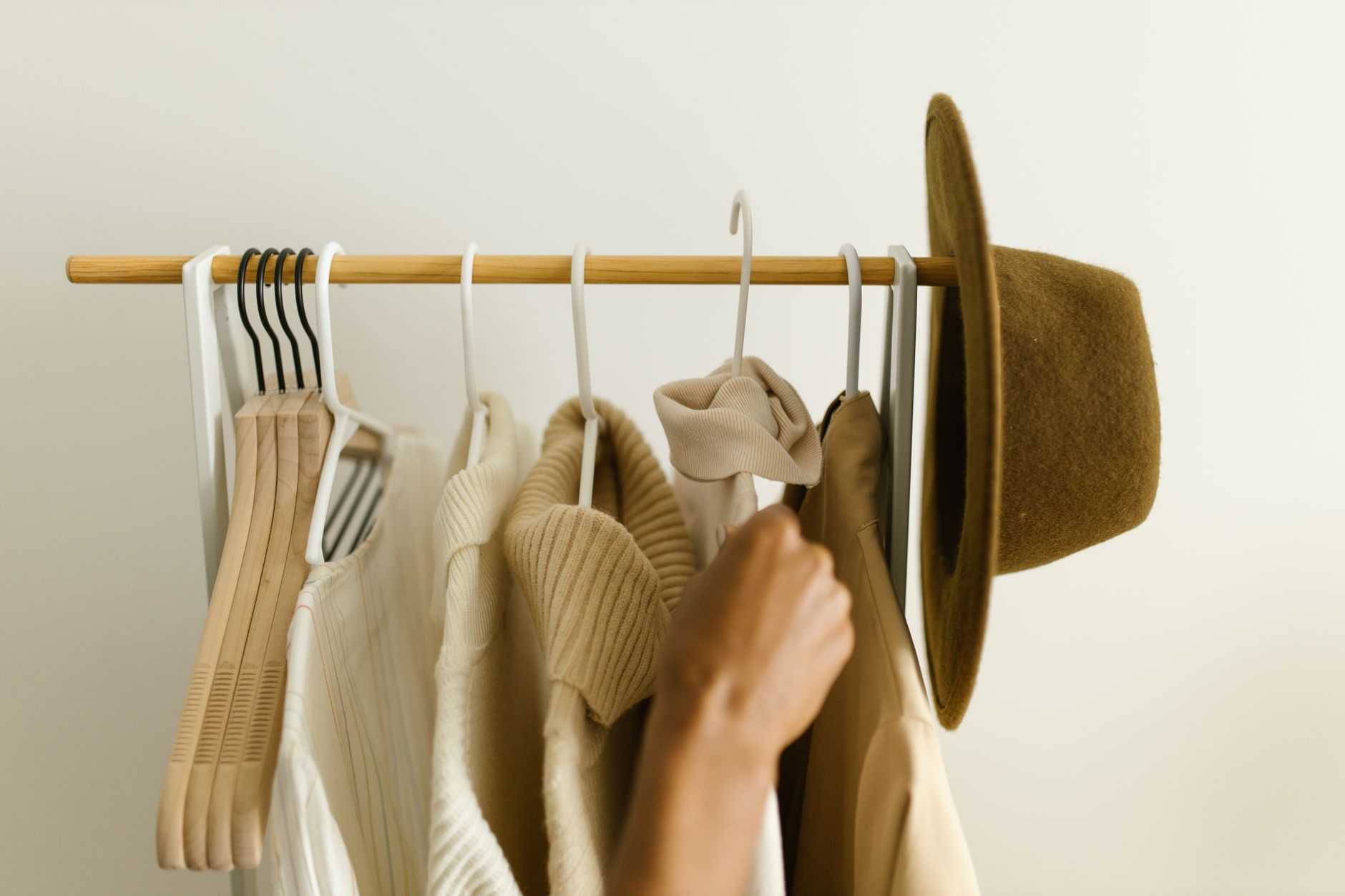
Fourteen days in a single carry-on. That was the test I set for myself last spring: Lisbon, Porto, three trains, two weather systems, one bag under 8 kilos. What made it work wasn’t clever packing cubes or rolling everything into cylinders. Nine pieces. Every one of them talked to the others. A capsule wardrobe isn’t a fashion trend for travelers. It’s a logistics system, and it either works at the airport or it doesn’t. I’ve rebuilt that kit five times now, swapped pieces in and out, and wasted real money on things that looked smart on a product page and failed on the road. Here’s what actually earns its place.
Most travelers overpack because they pack outfits, not a system. A capsule wardrobe solves that. Fewer pieces, more combinations, less decision fatigue at 6 a.m. in a hotel room. It cuts baggage fees, laundry stress, and the mental load of choosing what to wear. The goal isn’t minimalism for its own sake. It’s traveling lighter while looking like you planned it.
Top 5 Picks
1. Merino wool crew tee (Icebreaker or similar) — the backbone. Verdict: buy two, wear them constantly. Merino regulates temperature, resists odor for days, and dries overnight in a bathroom. Pros: works in heat and cold, packs to nothing, looks clean enough for dinner. Cons: pricier, and cheap merino pills fast. Get 150-170 gsm for warm trips, 200 gsm for shoulder seasons.

2. Travel trousers with stretch (Western Rise or Outlier) — the workhorse. Verdict: one pair replaces three. These look like chinos, move like joggers, and shed wrinkles. Pros: four-way stretch, hidden security pocket, dries in hours. Cons: the good ones cost real money, and some fabrics get shiny with heavy wear. Check the rise. Too low and they fail on long flights.
3. Packable insulated layer (Patagonia Nano Puff or equivalent) — the insurance policy. Verdict: non-negotiable for anything under 20°C. Packs to the size of a grapefruit, blocks wind, layers under a shell. Pros: huge warmth-to-weight ratio, stuffs into its own pocket. Cons: not waterproof, and the quilted look reads touristy in cities. Wear it under a clean overshirt and nobody notices.
4. One versatile shoe (Allbirds or a leather sneaker) — the hardest slot. Verdict: pick a shoe that survives a museum and a 10k-step day. Pros: comfort, breathability, pairs with trousers and shorts. Cons: one shoe means compromise — no formal option, and wet weather exposes cheap soles. Choose dark colors so scuffs hide.
5. Compact rain shell (Arc’teryx or a budget Marmot) — the wildcard. Verdict: buy one even if the forecast is clear. Pros: packs to a fist, saves entire days. Cons: crinkly fabric, and cheap shells trap sweat. Look for pit zips and a hood that fits over a cap.

Buying Guide
Specs matter more than brand. Here’s what to check before you spend.
- Fabric weight and blend: merino at 150-200 gsm; synthetics with at least 5% elastane for stretch that recovers.
- Dry time: anything that takes more than 8 hours to dry is a liability on a two-week trip.
- Color discipline: pick a base (navy, charcoal, olive) and make every piece work with it. Two neutrals plus one accent is plenty.
- Pocket reality: a secure zip pocket beats a stylish one. Test it with your passport before you commit.
- Weight in grams: know the number for each piece. A 9-kilo bag is built from 300-gram decisions.
Fit beats fabric every time. A well-cut cheap tee outperforms a baggy expensive one. Try everything on with the other pieces before you pack it. If it doesn’t combine with at least three other items, it’s not capsule material.
What to Avoid
Skip “travel-specific” clothing with logos and zip-off legs. They signal tourist and rarely last. Avoid white anything on a long trip — one spill ends the piece. Don’t buy five identical items; variety in function beats variety in color. And beware the overhyped “wrinkle-free” claim. Most fabrics wrinkle less, not never. Pack a small spray bottle instead of trusting the label.
Counter-intuitive take: don’t buy the most expensive version of anything except shoes and your rain shell. Those two fail first and fail loudly. The rest can be mid-range and still do the job.
Overlooked Category
Sleepwear and loungewear. Most travelers pack ratty old sweats “just for the hotel” and then look scruffy at breakfast. A single merino sleep tee and lightweight lounge shorts double as gym wear, beach cover, and emergency dinner outfit. It’s the piece nobody reviews and everybody needs. Buy one good set and you’ll never pack pajamas again.
What’s the one piece you’d never leave behind? Mine is the merino tee — boring, unglamorous, indispensable.
The final call: build around three merino tees, one pair of stretch trousers, one packable layer, one shell, and one do-everything shoe. That’s seven pieces, a week of outfits, and a bag you can carry up stairs. Buy less, buy better, and let the system do the work. Your back and your laundry bill will thank you.