
The cabin noise on a budget flight from Lisbon hit a wall at 84 decibels. The cheap earbuds in my bag did nothing but add a tinny hiss on top of the drone. That was the trip I stopped pretending noise cancelling was a gimmick. Active cancellation is physics, and the physics is uneven across price tiers. A good pair doesn’t just mute the world — it lowers the floor under your attention so you can read, think, or sleep in a space that would otherwise grind you down. I’ve tested the current crop over months of flights, trains, and open-plan offices. Five earned their keep. The rest are noise about noise.
You buy noise cancelling headphones for one reason: to take back control of your acoustic environment without plugging your ears with foam. Commutes, flights, shared offices, thin apartment walls — the modern world is loud, and the good hardware quietly gives you a private room wherever you sit. Done right, it’s the most useful purchase in your bag.
Top 5 Picks
1. Sony WH-1000XM5 — the all-rounder to beat
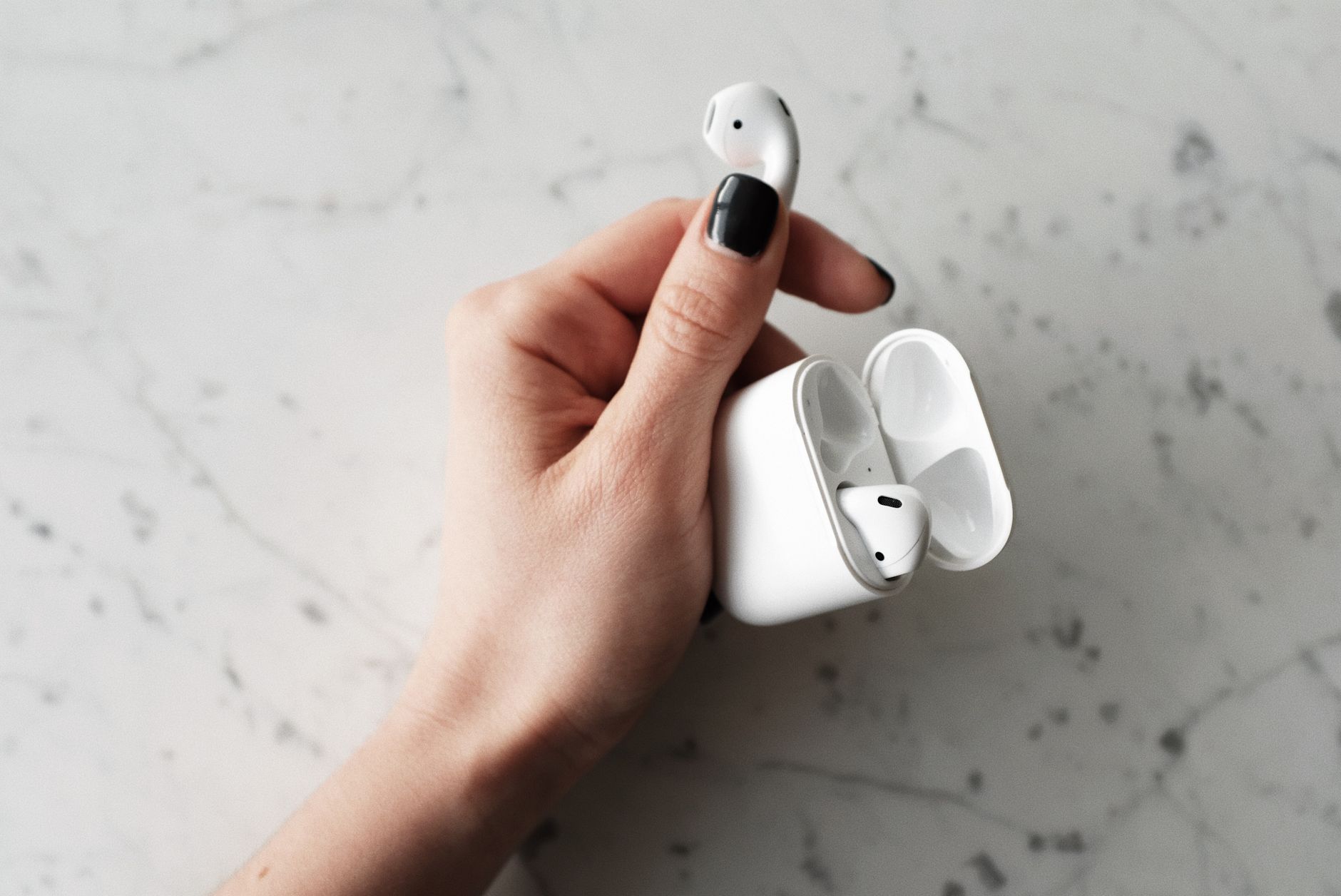
Verdict: The most complete package for most people. Sony’s cancellation is still the benchmark, and the comfort holds up over a full workday.
- Pros: Class-leading ANC, superb call quality, 30-hour battery, light at 250g
- Cons: No fold-flat hinge, plastic feel at the price, touch controls misfire in rain
2. Bose QuietComfort Ultra — the comfort king
Verdict: If you wear headphones six hours a day, buy these. Bose nails the fit and the pressure-free cancellation that Sony can’t quite match.
- Pros: Best-in-class clamping comfort, excellent transparency mode, immersive spatial audio that actually works
- Cons: Shorter 24-hour battery, app is cluttered, spatial mode drains faster
3. Apple AirPods Max — the ecosystem tax worth paying
Verdict: Overpriced for everyone except iPhone and Mac users. Inside Apple’s world, the instant switching and build quality justify the premium.
- Pros: Gorgeous aluminum build, seamless device handoff, strong ANC
- Cons: Heavy at 385g, no case worth the name, Lightning-or-USB-C confusion depending on vintage
4. Sennheiser Momentum 4 — the battery champion
Verdict: Sixty hours of playback and a warmer, more musical sound than the big two. The sleeper pick for long-haul travelers.
- Pros: Absurd 60-hour battery, comfortable, app EQ is genuinely useful
- Cons: ANC trails Sony and Bose, touch pad takes practice, case is bulky
5. Anker Soundcore Space One — the value pick
Verdict: Under a hundred and fifty dollars and it cancels maybe 70% as well as the flagships. That’s the deal of the list.
- Pros: Cheap, 40-hour battery, foldable, surprisingly decent mics
- Cons: Plasticky, ANC struggles with voices, sound is bass-forward and a bit muddy
Buying Guide
Ignore the marketing decibels. Every brand claims “industry-leading” cancellation and none of them publish comparable numbers, because there’s no standard test. What matters is how the headphones handle the frequencies you actually live with — jet engines and HVAC sit low, office chatter and train brakes sit higher. A pair that kills the rumble but leaks voices will annoy you in a café. Read reviews that name specific environments, not spec sheets.
Battery life claims are usually honest but conditional. “30 hours” typically means ANC on at moderate volume. Spatial audio, high-res codecs, and loud listening cut that by a third or more. If you fly long-haul, look for 25 hours minimum with ANC on. Check whether the headphones charge over USB-C, and whether a five-minute top-up buys real listening time.
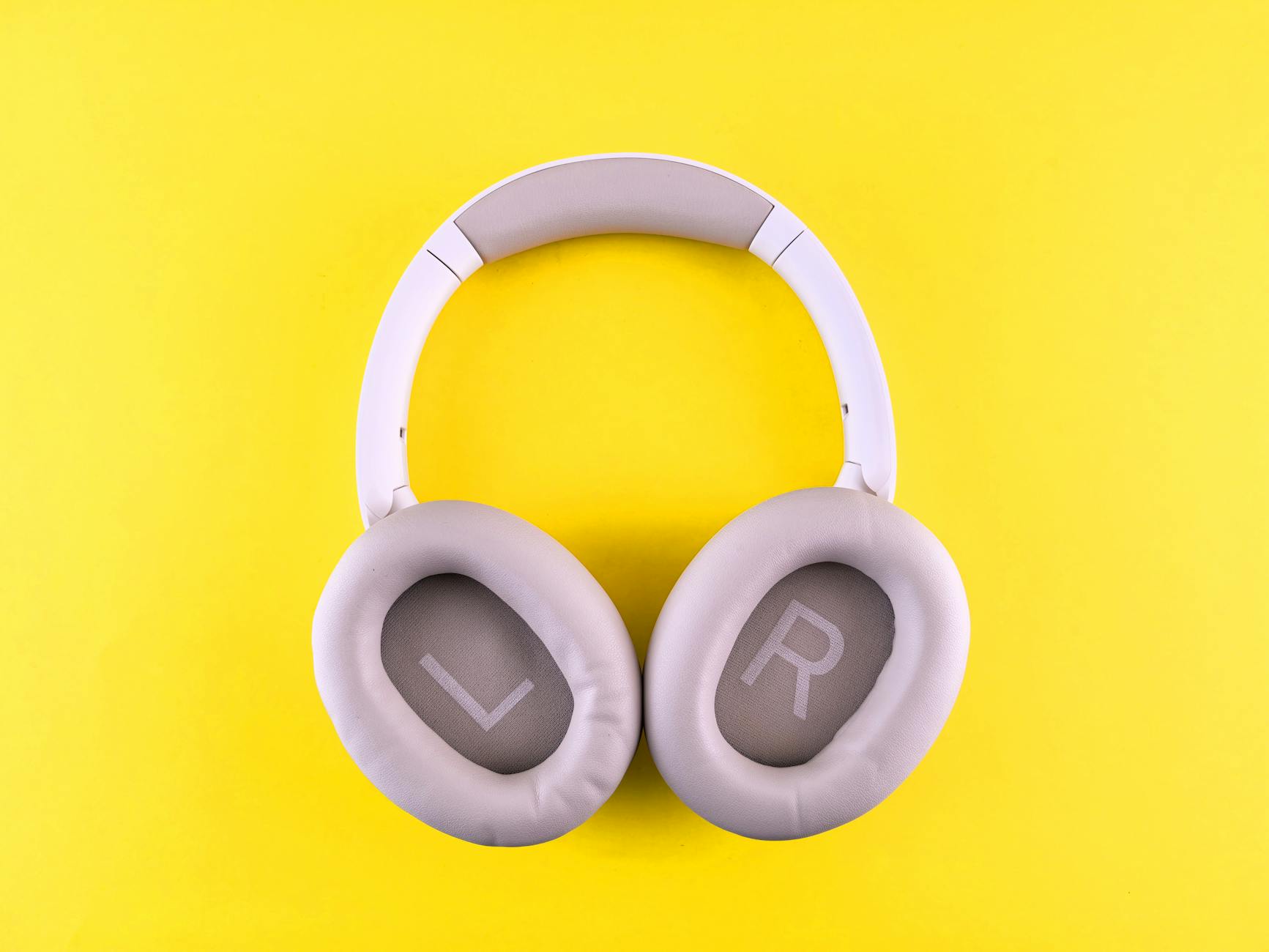
Comfort is the spec nobody lists. Weight matters — anything over 300g starts to press after two hours. Clamping force matters more. Earpad depth matters most of all if you wear glasses, because frames break the seal and destroy both isolation and bass. Buy from a retailer with a real return window and wear them for a full afternoon before you commit.
Codecs and multipoint are the quiet quality-of-life features. LDAC and aptX Adaptive matter if your phone supports them; most iPhones don’t, so don’t pay extra for them on Apple hardware. Multipoint — connecting to two devices at once — is the feature I use every single day, and it’s worth more than any codec. Check that yours has it.
- Prioritize real-world ANC reviews over decibel claims
- Weigh headphones before buying — stay under 300g for all-day wear
- Confirm multipoint pairing; it beats any codec for daily usefulness
- Buy where you can return after wearing them for a full afternoon
- Budget for replacement earpads; they wear out in 18–24 months
What to Avoid
Skip anything that promises “adaptive AI cancellation” without naming the hardware. It’s usually a marketing wrapper on ordinary feedforward mics. Skip headphones with non-replaceable earpads — when the foam flattens, the seal fails and the cancellation dies with it. You’ll be buying a new pair instead of ten-dollar pads.
Be wary of spatial audio as a headline feature. It’s impressive for ten minutes and then most people turn it off, because it colors music and drains battery. It’s a nice bonus, never a reason to buy.
Don’t pay for “hi-res” certification on Bluetooth headphones. Bluetooth compresses; the certification is a licensing badge, not a listening experience. And avoid on-ear models if cancellation is your goal — the seal is too small to cancel low frequencies well, no matter what the box says.
One more trap: buying the newest model at launch. Flagships drop 20–30% within four months, and the previous generation is usually 90% as good for 60% of the price. Patience is a feature.
Overlooked Category
Almost everyone shops over-ear. The category most buyers miss is the premium neckband or clip-on earbud with active cancellation — think the Bose Ultra Open or Sony’s LinkBuds-style open designs. They don’t seal your ear canal, so the cancellation is partial by design. What they give you instead is situational awareness: you hear the gate announcement, the traffic, your name being called, while the drone and rumble get pushed down. For cyclists, parents, and anyone who needs one ear on the world, that trade is worth more than total silence. They’re also the only option that doesn’t make your ears sweat through a summer commute. Try a pair before you dismiss them.
Do you actually need silence, or do you need to hear the world at a lower volume? Answer that honestly and you’ll know which category you belong in.
Verdict
Buy the Sony WH-1000XM5 if you want the best all-rounder and don’t mind plastic at a premium price. Buy the Bose QuietComfort Ultra if comfort is your non-negotiable. Buy the Sennheiser Momentum 4 if you fly long-haul and hate charging. Buy the Anker Space One if you’re testing whether noise cancelling is even for you — and it probably is. Counter-intuitively, the smartest purchase for most people is last year’s flagship, discounted, with a fresh set of earpads. The physics hasn’t changed much in two years. Your ears won’t know the difference, but your wallet will.