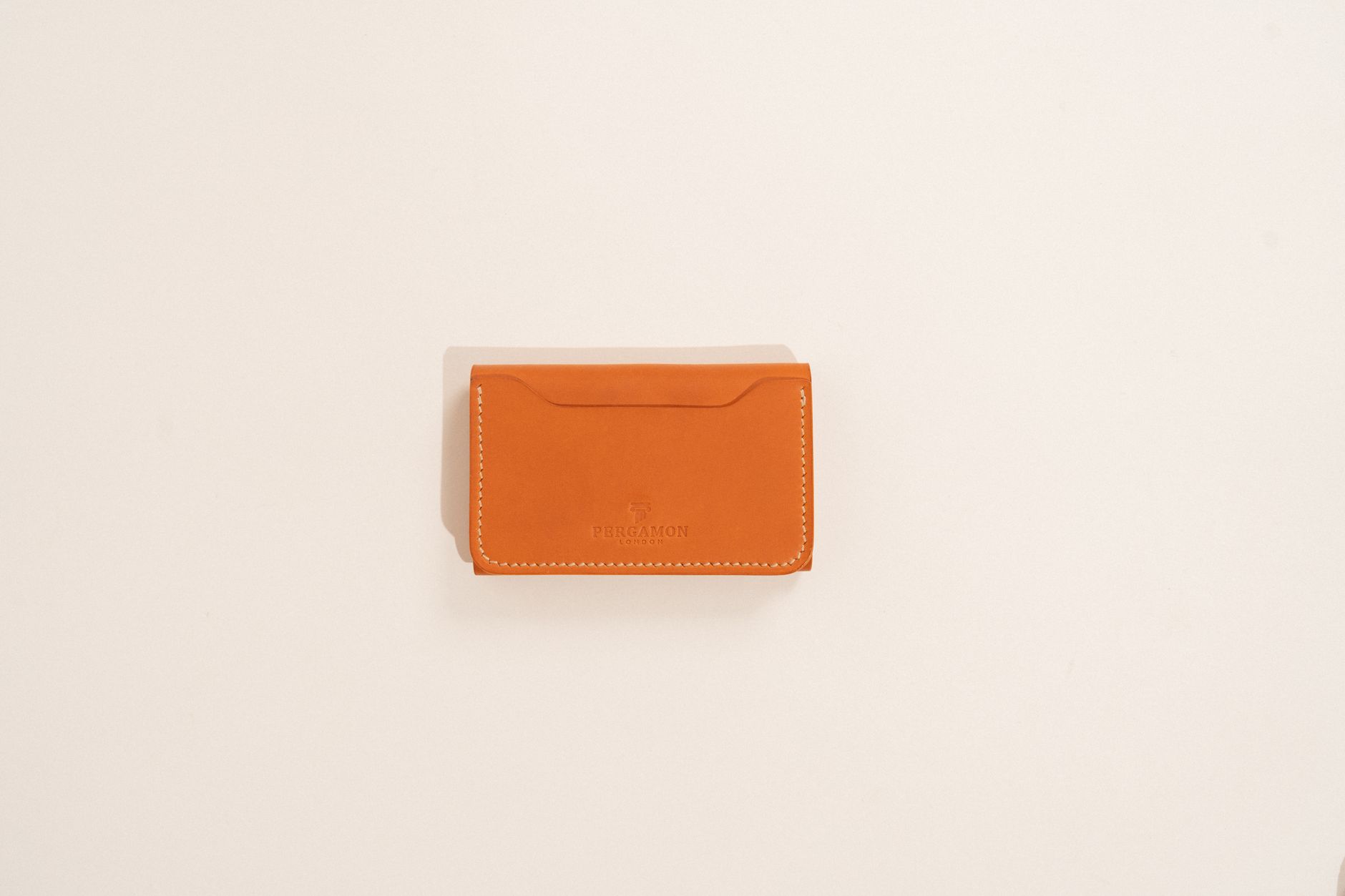
I’ve carried the same three cards for eleven years. Same IDs. Same debit card. Same library card I never use. Everything around them changed. My first “minimalist” wallet was a leather bifold that bulged like a tumor in my front pocket. My second was a rubber band. It worked until a receipt disintegrated in the rain. My third cost $95 and fell apart in eight months. The category has matured since then. Real engineering has arrived, and most of it costs less than dinner for two. I tested fourteen wallets over the past year. Each one got at least three weeks of carry, a few sit-tests, a few drops, and more airport security trays than I’d like to admit. Five earned a permanent spot in my rotation. Here’s what actually holds up. friendly-travel-kits-5-best-picks-tested/”>Eco Friendly Travel Kits. Water Filters Home.
Why It Matters
A wallet isn’t a fashion accessory. It’s the thing you touch forty times a day without thinking. A bad one wrecks your posture, your pockets, and eventually your back. A good one disappears. That’s the entire goal: a wallet you forget you’re carrying until the moment you need it. Everything else is marketing.
Top 5 Picks
1. Ridge Aluminum — The Verdict: Best Overall

The Ridge became the default answer for a reason. Machined aluminum plates clamp your cards with a tension band, and the whole thing weighs under two ounces. Cards don’t fall out. The RFID blocking is real, not theater. After fourteen months of daily carry, mine shows scratches and zero structural failure. The cash strap takes practice. Folding bills into thirds feels wrong for the first week. Then it feels obvious.
- Pros: Near-indestructible, genuinely slim, lifetime warranty, holds 1–12 cards
- Cons: $95 base price, cash handling is awkward, aluminum edges can wear through thin pocket linings
2. Ekster Parliament — The Verdict: Best for People Who Hate Fumbling
The ejector mechanism is the selling point, and it works. Press a button, cards fan out in a staircase. I was skeptical — gimmicks usually break. This one hasn’t, across nine months of use. The leather version looks like a normal wallet. That matters if you work in an office where a metal rectangle reads as “tech bro.” Holds six cards comfortably. The button requires a firm press, which is good. Accidental ejections would be a disaster, and Ekster clearly knew that.
- Pros: One-handed card access, premium leather options, built-in tracker slot
- Cons: $89, mechanism adds bulk versus pure plate designs, only fits 6–8 cards
3. Bellroy Note Sleeve — The Verdict: Best If You Still Carry Cash
Most minimalist wallets treat cash as an afterthought. Bellroy doesn’t. The Note Sleeve holds folded bills in a dedicated slot, plus 4–11 cards, and it’s made from a leather alternative that’s outlasted every animal leather I’ve owned. It’s not as thin as the Ridge — nothing is — but it’s thin enough for front-pocket carry. This is the wallet I recommend to anyone over forty who isn’t ready to abandon paper money.
- Pros: Real cash storage, excellent build quality, three-year warranty, $79
- Cons: Thicker than plate-style wallets, leather alternative has a slight synthetic feel at first
4. Dango D03 Dapper — The Verdict: Best Multi-Tool
This one divides people. The D03 integrates a small pry bar, a bottle opener, and a screwdriver set into the frame. Purists call it overkill. I’ve used the bottle opener at three cookouts and the pry bar to open a stuck window. It’s heavier — 3.8 ounces — and the price sits at $99. But if you’re the person who always needs a tool and never has one, this replaces two items in your pocket.
- Pros: Genuine utility, aircraft-grade aluminum, holds 12+ cards, RFID blocking
- Cons: Heaviest pick here, tool features add complexity, strap system takes getting used to
5. Secrid Slimwallet — The Verdict: Best Under $60
Dutch engineering at a fair price. The Cardprotector mechanism slides cards up with a flick, and the leather outer shell holds cash and a few extra cards. At $59, it undercuts most competitors without feeling cheap. I’ve carried mine for seven months. The aluminum core shows no wear. The leather has developed a patina that looks intentional. For anyone testing the minimalist concept without committing $100, start here.
- Pros: Affordable, proven mechanism, excellent leather, made in Holland
- Cons: Only 4 cards in the protected core, cash capacity is modest, no tracker slot
Buying Guide
Ignore the marketing copy. Four specs determine whether a wallet works for you.
Card capacity. Count your cards right now. Not the ones you think you carry — the actual stack. Most people carry six to eight. Buy for that number plus two, not for the twelve-card fantasy. Every extra slot adds thickness you’ll feel all day.
Material. Aluminum and carbon fiber resist bending and block RFID signals. Leather looks better and ages well but stretches over time. Leather alternatives like Bellroy’s have closed the gap considerably. Avoid cheap “vegan leather” that’s just polyurethane — it cracks within a year.
Thickness, not dimensions. A wallet can be 4 inches wide and still disappear if it’s under half an inch thick. Measure your current wallet’s thickness when it’s loaded. If the new one isn’t at least 40% thinner, you’re not solving the problem.
RFID blocking. Here’s where I’ll contradict the crowd: most people don’t need it. Digital pickpocketing is rare, and the documented cases are almost nonexistent. Buy RFID blocking because it usually comes with rigid metal construction, not because you’re under threat. If a wallet’s only selling point is RFID, skip it.
- Count your actual cards before buying — capacity claims are usually optimistic
- Prioritize thickness over width; front-pocket carry demands under 0.5 inches
- Metal cores last longer and resist bending; leather looks better but stretches
- Cash carriers should budget $75–$100 for a wallet with a real bill slot
- Skip any wallet whose primary feature is a gimmick you’d use twice a year
What to Avoid
Pop-up mechanisms with plastic internals. The button-press fan-out looks great in videos. Cheap versions use nylon gears that strip within months. If the mechanism isn’t metal, walk away.
“Holds 20 cards” claims. Technically true. Also means the wallet is a brick. Nobody carries twenty cards. This spec exists to impress people who haven’t thought about it.
Money clips disguised as wallets. A clip holds bills. It doesn’t organize cards, protect them from bending, or survive being sat on. Some people love them. Those people have cracked cards.
Bluetooth trackers built into the frame. Sounds smart. In practice, you’re paying $30 extra for a battery that dies in a year and can’t be replaced in most models. Buy a separate tracker if you need one.
Anything over $150. Past that price, you’re buying a brand name or exotic leather. The mechanics don’t improve. The Ridge at $95 performs identically to $200 competitors I’ve tested.
Overlooked Category
Everyone reviews the same five wallets. Almost nobody talks about cardholder-plus-phone cases — the hybrid category where your wallet and phone become one object. MagSafe-compatible folios from Peak Design and Moft hold three to five cards, attach magnetically, and detach when you don’t need them. If you already carry a phone in hand all day, this eliminates an entire pocket. The trade-off is real: you can’t leave your wallet at home without leaving your phone. But if you’re already the person who never puts their phone down, the objection is theoretical. I carried the Peak Design version for two months. It’s not for me — I like separating the two — but for a specific kind of person, it’s the most minimalist option on the market. Most reviewers ignore it because it doesn’t fit the “wallet” template. That’s their loss.
The Verdict
Buy the Ridge if you want one wallet for the next decade and don’t care about cash. Buy the Secrid if you want to test the concept for under $60. Buy the Bellroy if paper money stays in your life. The Dango is for tool people. The Ekster is for fidgeters who want their fidgeting to be useful. Whatever you pick, stop carrying a bifold. Your spine will notice within a week. Mine did.