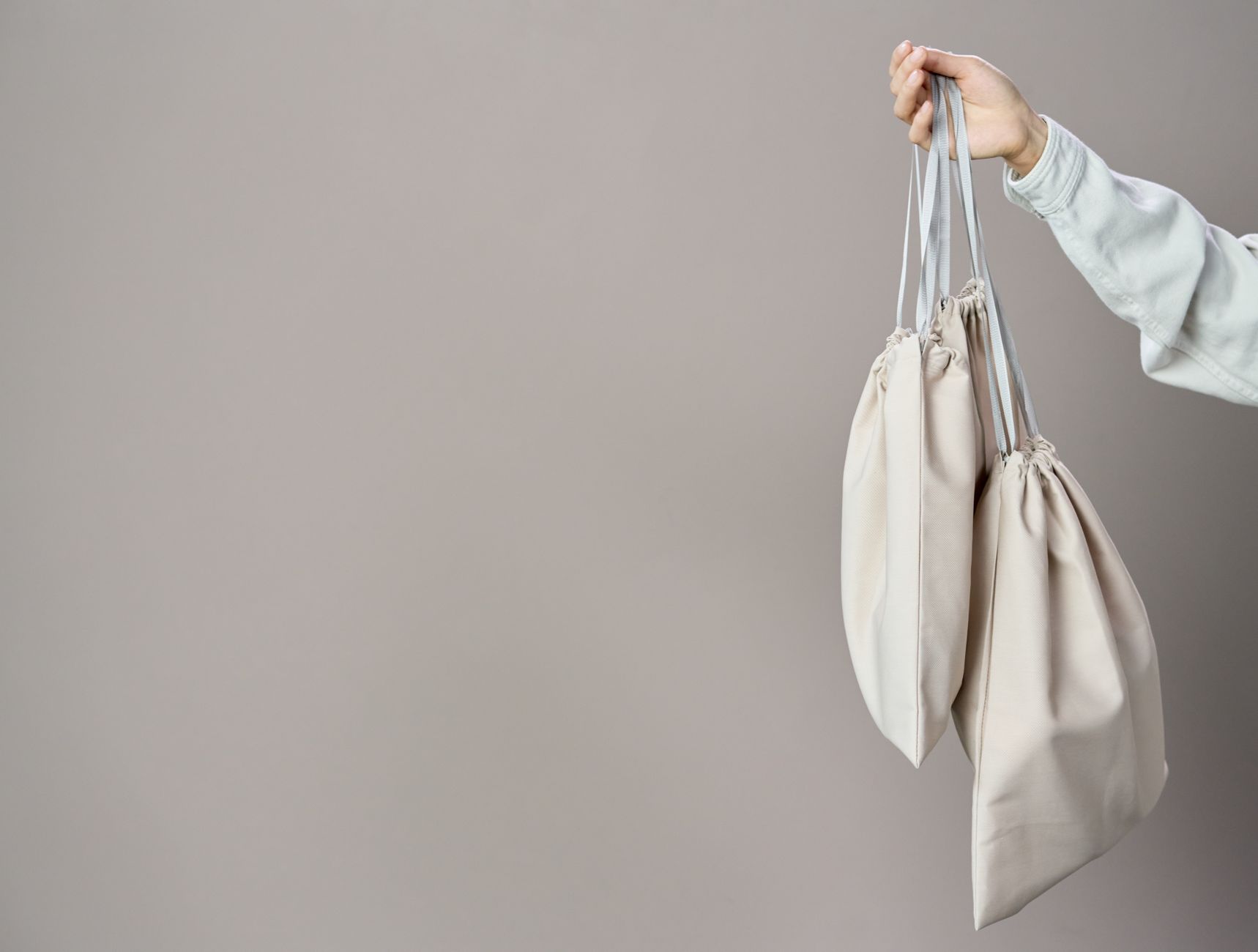
Most people own too many bags. Not because they need them, but because none do their job well enough to earn a permanent spot. So they keep buying. Keep stacking. Keep apologizing to the closet. I’ve spent years trimming my own collection to four bags that handle everything from a grocery run to a two-week trip. The lesson wasn’t deprivation. It was buying once and buying right. Here’s what I’ve learned, and the five bags that earn their keep. sustainable-cleaning-swaps-5-reusable-picks-that-work/”>Sustainable Cleaning Swaps. Minimalist Wardrobe Men.
A bad bag costs you twice: once at checkout, then again every time you reach for a better one that isn’t there. A small, deliberate collection fixes that. Fewer decisions. Less clutter. Gear that just works.
Top 5 Picks
1. Filson Original Briefcase — The workhorse that outlives you.

Tin cloth, bridle leather, brass zippers. This thing gets better as it gets beaten up. It swallows a 15-inch laptop, a notebook, and a charger with room to spare, and the waxed cotton shrugs off rain without a care.
- Pros: Near-indestructible, ages beautifully, lifetime repair ethos
- Cons: Heavy when empty, stiff for the first month, leather trim needs occasional conditioning
2. Peak Design Everyday Sling 6L — The commuter’s answer.
Flexible dividers, weatherproof shell, and a strap system that actually stays put on a bike. It’s the bag I grab when I’m carrying a camera, a tablet, and not much else.
- Pros: Smart internal organization, quiet access, excellent build
- Cons: The 6L runs small once you add a water bottle, pricey for the size
3. Bellroy Tokyo Tote — The everyday carry that disappears.
Light, structured, and clean enough for an office and a farmers market on the same Saturday. Recycled fabric, a padded laptop sleeve, and a magnetic top that closes without fuss.
- Pros: Featherweight, understated looks, great internal pockets
- Cons: No shoulder strap, fabric shows scuffs on lighter colors
4. Patagonia Black Hole Duffel 40L — The one-bag travel pick.
Rugged, packable, and honest about what it is. It fits a week of clothes if you roll tight, and it survives being thrown into a truck bed or an overhead bin.
- Pros: Weather-resistant, great value, converts to a backpack
- Cons: Not subtle in a nice hotel lobby, minimal internal structure
5. Everlane ReNew Transit Backpack — The budget-minded minimalist.
Clean lines, recycled materials, and a price that doesn’t make you wince. It won’t last thirty years like the Filson, but it handles the daily grind with quiet competence.
- Pros: Affordable, sleek design, decent organization
- Cons: Zippers feel lighter-duty, limited color options

Buying Guide
Specs matter less than fit. A bag with perfect dimensions that sits wrong on your shoulders is a bag you’ll stop carrying. Start there.
Materials. Waxed canvas and ballistic nylon last. Cheap polyester doesn’t. Look for YKK zippers, reinforced stitching at stress points, and hardware that feels solid in the hand. Leather trim is nice but only if it’s full-grain, not bonded.
Capacity. Match the bag to your actual day, not your fantasy day. A 20–25L backpack covers most commutes. A 6–10L sling handles the essentials. A 40L duffel is your travel ceiling unless you’re gone for weeks.
Weight. Weigh it empty. A bag that’s heavy before you pack it is a bag you’ll resent by noon.
Organization. Enough pockets to separate keys from laptop, not so many you play hide-and-seek every morning. Two or three well-placed compartments beat ten useless ones.
Warranty and repair. A brand that repairs is a brand that expects its bag to last. That’s the signal you want.
What does your current bag actually carry on a normal Tuesday? Answer that honestly and you’ll know your real capacity number.
What to Avoid
Overhyped “tech” features. USB charging ports built into bags are a gimmick. They add weight, fail first, and lock you into a cable you’ll lose. Carry a battery pack.
Too many pockets. A bag with fourteen compartments sounds organized. In practice you forget which one holds your passport. Simplicity wins.
Trend colors and limited drops. That neon orange you loved in spring will look loud by fall. Buy neutral, buy once.
Bags that try to be three bags. A tote that converts to a backpack that also rolls is usually mediocre at all three. Pick one job per bag.
Ignoring the strap. People obsess over fabric and skip the part that touches their body. A bad strap ruins a good bag.
Here’s a counter-intuitive one: the most expensive bag in the store is often the smarter buy. Cost per year of use flips the math fast when a cheap bag dies in eighteen months.
Overlooked Category
Most buyers skip the simple packing cube or pouch. That’s a mistake. A good set of lightweight pouches turns any bag into an organized one and lets a single tote do the work of three. Brands like Peak Design and Bellroy make slim ones that weigh almost nothing. They’re not glamorous. They are the thing that makes a small collection actually function.
Fewer bags, better bags. That’s the whole philosophy. Pick two or three from this list based on how you actually move through your week, add a pouch set, and stop shopping. Your closet and your mornings will thank you.