Most cleaning products are a con. Not because they don’t work — because they’re designed to run out, get replaced, and fill a cupboard with plastic you’ll throw away twice. I swapped nearly everything under my sink over three years. The result wasn’t a moral victory. It was a cheaper, tidier, better-performing cabinet. You don’t need to go zero-waste overnight. You need five or six replacements that earn their shelf space. Here’s what survived testing in a real, messy, two-person household. sustainable-skincare-brands-5-picks-that-hold-up/”>Sustainable Skincare Brands. Books Personal Growth.
Why it matters
Cleaning aisles sell you water, fragrance, and disposable packaging. You pay again every month for the same job. Reusable swaps cut recurring cost, slash plastic waste, and usually clean better because you control the concentration. Fewer bottles. Less clutter. No compromise on hygiene.
Top 5 Picks
1. Concentrated cleaning tablets (drop-in bottles)

Verdict: The single best swap. One tablet plus tap water replaces a spray bottle every few weeks.
- Pros: tiny shipping footprint, cheap per use, refillable bottle lasts years, no plastic stream of empties.
- Cons: dissolve time varies by brand, some formulas are watery, you must keep the bottle clean.
2. Cotton or cellulose cloth set (replace paper towels)
Verdict: Buy 12, use them for a decade. This is a no-brainer.
- Pros: washable, absorbent, no lint on glass, pays for itself in weeks.
- Cons: you’ll need a laundry routine, cheap cotton goes scratchy fast, not for raw-meat spills.
3. Solid dish soap bar with a draining dish
Verdict: Works better than I expected. A bar outlasts a bottle by a wide margin.
- Pros: no plastic, concentrated, great on grease, cheap per wash.
- Cons: needs a dry resting spot or it turns to mush, less convenient for soaking big pans.
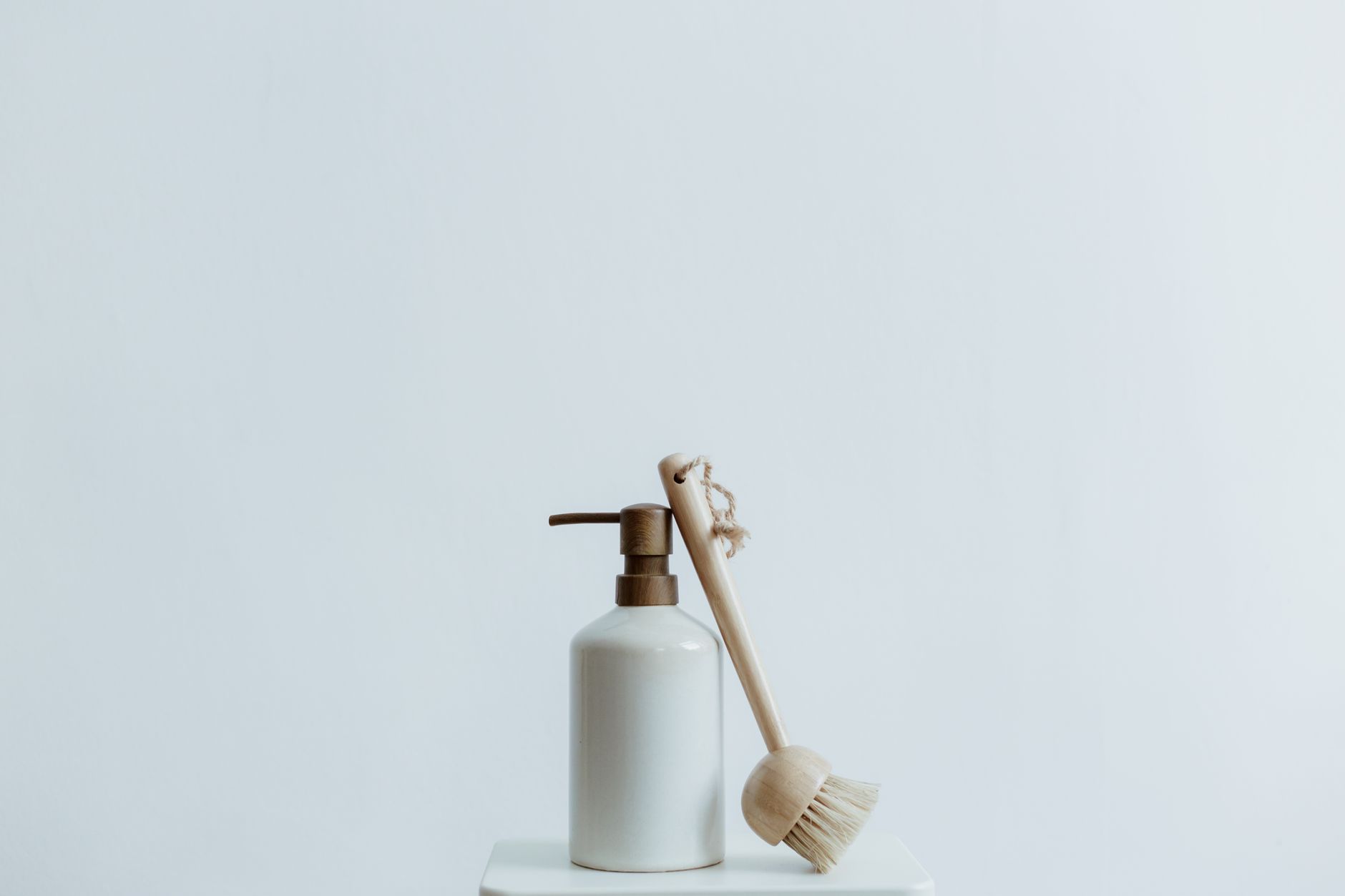
4. Plant-fiber scrub brushes (wood handle, replaceable head)
Verdict: Sturdy, compostable head, and it doesn’t shed like plastic bristles.
- Pros: replaceable heads, comfortable grip, compostable at end of life.
- Cons: wood needs occasional oiling, don’t soak it, heads cost more than a plastic brush up front.
5. Refillable glass spray bottle with a quality trigger
Verdict: The trigger is the whole product. Buy one with a metal or heavy-duty pump.
- Pros: works with tablets or bulk concentrate, glass doesn’t hold odors, looks good on the counter.
- Cons: cheap triggers fail in months, glass is heavier, don’t drop it on tile.

Buying Guide
Ignore the green leaf on the label. It’s marketing, not a standard. Look at what’s actually in the product and how long it lasts.
Concentration is the spec that matters. A tablet or concentrate that makes a full bottle beats a “natural” ready-to-use spray every time. Check how many bottles one pack yields — that number is your real cost per use.
Materials decide longevity. Glass bottles with metal triggers outlast plastic by years. Cotton or cellulose cloths survive hundreds of washes. A wooden brush with replaceable heads beats a sealed plastic one you throw out whole.
Refill availability. Before you commit, confirm you can actually buy refills locally or cheaply online. A beautiful system with no refill supply chain is just a nicer disposable.
Certifications worth trusting. Look for third-party marks like EPA Safer Choice or a recognized compostability certification. Vague “eco-friendly” claims mean nothing.
Fragrance is the trap. Unscented or essential-oil-scented options are safer for sensitive skin and airways. “Fresh linen” is a chemical cocktail with a nice name.
What to Avoid
Skip bamboo dish brushes that arrive with plastic bristles glued in — you can’t compost them and you can’t recycle them. They’re landfill with a green story.
Beware “biodegradable” wipes. Most don’t break down in a home compost or a sewer, and they clog pipes. If it’s single-use and wet, question it hard.
Don’t overpay for subscription refill boxes. Some cost more per wash than the bottle you replaced. Run the math before you sign up.
And avoid any swap that makes cleaning harder. If a product adds friction — extra steps, special storage, fussy maintenance — you’ll abandon it. Convenience is a feature, not a compromise. Would you really keep using something that turns a two-minute job into ten?
Overlooked Category
Everyone talks about sprays and cloths. Almost nobody mentions the mop. A microfiber flat mop with a washable pad replaces disposable sweeper pads and does a better job on hard floors. One washable pad set lasts years, and you stop buying refill packs forever. It’s the cheapest big win in the whole cabinet, and it sits right next to the products everyone writes about.
Verdict
Start with three: tablets plus a good glass bottle, a cloth set, and a solid dish soap bar. That trio replaces most of the plastic under your sink for under the price of a month’s disposables. Add the brush and mop when you’re ready. My counter-intuitive take: the “sustainable” aisle is often worse value than the plain generic concentrate next to it. Buy less. Buy the version that lasts. Stop paying for water and packaging. Your cupboard — and your budget — will thank you.