Last December I watched my sister unwrap a “sustainable” gift set and quietly slide it under the couch. The bamboo toothbrush was already fraying. The hemp tote smelled like a barn. Her friend spent $60 on it and it lasted a week. That moment stuck with me, because it exposed the gap between gifting that looks green and gifting that actually is. Most eco-friendly presents are costume jewelry for your conscience. A real sustainable gift gets used for years, not photographed for Instagram and forgotten. So I went back through every gift I’ve bought, given, and tested in the last three years. Here’s what survived.
Gifting and sustainability usually work against each other. Gifts are bought fast, wrapped in plastic, and chosen for the reaction rather than the use. That’s how a landfill ends up full of novelty items that were “eco” in name only. Buy fewer, better gifts that people genuinely reach for every day.
Top 5 Picks
1. Stainless Steel Safety Razor (Leaf Shave, ~$85)
Verdict: The single best zero-waste swap I’ve made. It pays for itself in eight months.
Pros: Replaces hundreds of plastic cartridges a year; pivoting head feels like a cartridge razor; solid stainless construction that’ll outlast you.
Cons: Learning curve of two or three shaves; blades are sharp, so you need to slow down.

2. Merino Wool Crew Socks (Darn Tough, ~$24/pair)
Verdict: The most boring gift on this list is also the one people thank you for most.
Pros: Lifetime unconditional guarantee; merino regulates temperature and resists odor; genuinely lasts a decade.
Cons: Looks unremarkable unwrapped; sticker shock if you’re used to $6 multipacks.
3. Refillable Water Bottle With Filter (Brita, ~$40)
Verdict: A better pick than the fancy insulated bottles everyone already owns.
Pros: Filters tap water on the go; cuts bottled water spending; dishwasher-safe parts.
Cons: Filter replacements are a recurring cost; bulkier than a plain bottle.
4. Cast Iron Skillet (Lodge, ~$30)
Verdict: Buy once, cook forever, pass it to your grandkids.
Pros: Nearly indestructible; no nonstick coating to flake off; cheap relative to its lifespan.
Cons: Heavy; needs seasoning and hand-washing, which some people won’t tolerate.
5. Beeswax Food Wraps (Bee’s Wrap, ~$20)
Verdict: A solid starter gift, not a full replacement for plastic.
Pros: Reusable for about a year; compostable; works well for cheese and produce.
Cons: Fails with raw meat and wet foods; loses tackiness over time.

Buying Guide
What separates a real sustainable gift from a greenwashed one? Start with materials. Natural fibers like merino, linen, and cotton beat synthetics on longevity and end-of-life. Metals like stainless steel and cast iron win on repairability. Avoid anything where the eco-claim is the main selling point and the product itself is an afterthought.
Then check the warranty. A lifetime guarantee is the strongest sustainability signal a company can give you, because it means they expect the product to outlive the buyer’s patience. Darn Tough and Leaf both back their products this way. A one-year warranty on a $40 item tells you something about the expected lifespan.
Look at refillability. The best gifts have a consumable component you can resupply cheaply — razor blades, water filters, wax wrap refreshes. That keeps the object in service instead of on a shelf. Check what replacements cost before you buy. A $30 bottle with $25 filters is a worse gift than a $60 bottle with $8 filters.
Packaging matters less than you think, but it’s not nothing. Plastic-free packaging is nice. A product that survives ten years is better. Don’t let a recycled cardboard box distract you from a flimsy product inside it.
- Prioritize lifetime warranties over eco-labeling — the guarantee is the proof.
- Natural fibers and bare metals beat recycled-plastic composites on lifespan.
- Check replacement costs before gifting anything with consumable parts.
- Skip novelty items; buy the version of a boring object that lasts a decade.
- Ask the recipient what they actually use daily before choosing.
What to Avoid
Bamboo everything. Bamboo is a fine material, but the bamboo toothbrush, bamboo straw, and bamboo cutlery set are the trinity of gifts that get used twice and tossed. They’re cheap to make, easy to brand as eco, and rarely durable enough to justify the marketing.
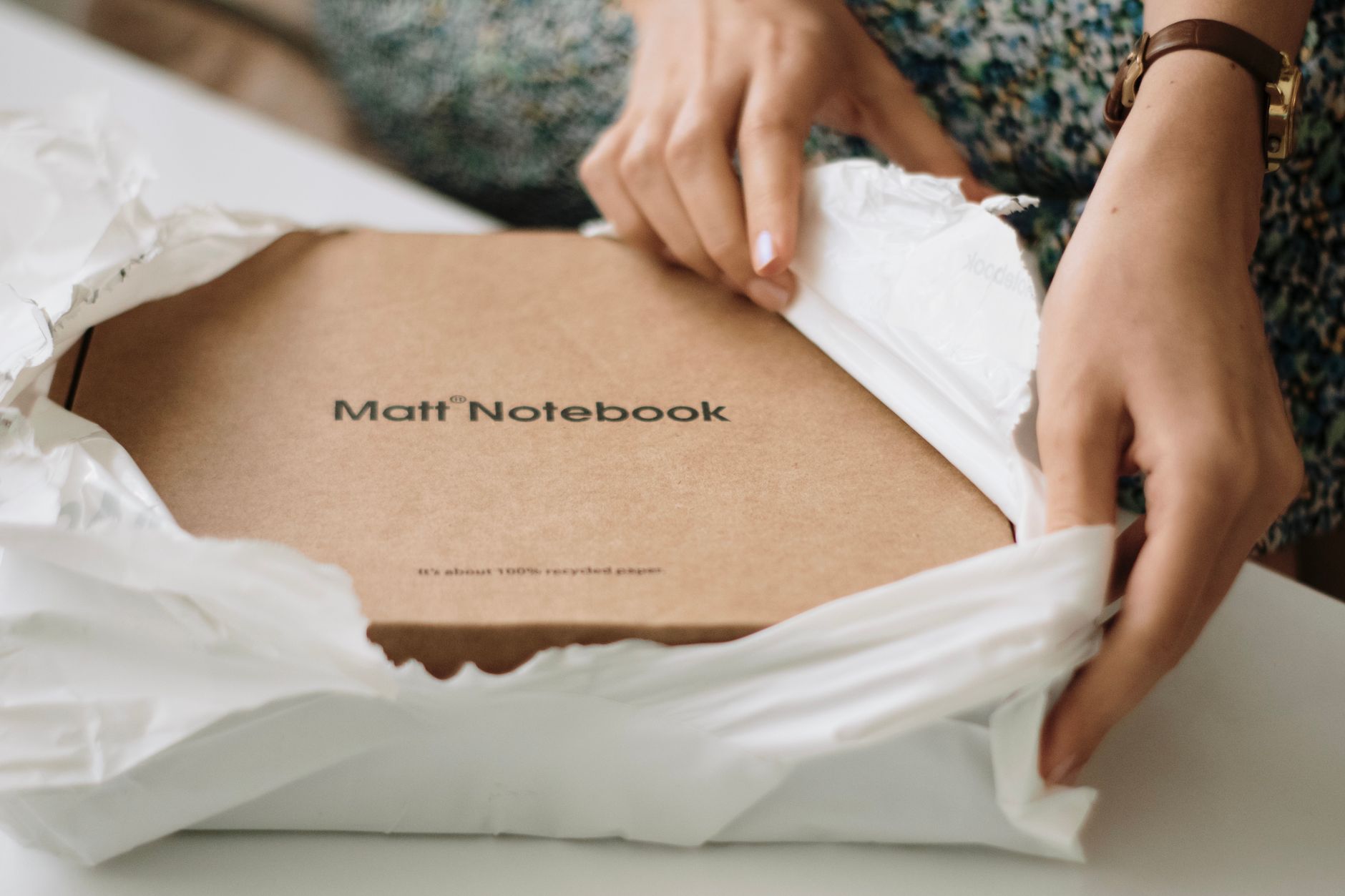
Beware “sustainable” gift boxes. Curated sets look generous but usually pad the price with filler — a tiny notebook, a seed packet, a bar of soap nobody asked for. You’re paying for the box. Buy one good thing instead.
Recycled plastic products deserve skepticism too. Recycled content is better than virgin plastic, but it doesn’t fix the core issue: plastic still degrades and still ends up in a landfill. If a product’s only green credential is “made from recycled plastic,” it’s probably not the gift you want.
And skip anything that requires the recipient to change their routine completely. A compost bin is a great gift for someone who already composts. For everyone else, it’s a guilt object. Match the gift to the life, not to the ideal.
Overlooked Category
Repair and maintenance kits. Most buyers never think of them, and they’re the most sustainable category on the shelf. A leather care kit, a knife sharpening stone, a sewing repair set, a bicycle tune-up kit — these extend the life of things people already own, which beats buying anything new.
My pick: a quality knife sharpening stone, around $30. It makes every knife in the recipient’s kitchen work like new, saves them from replacing dull blades, and lasts decades. It’s the opposite of a flashy gift, which is exactly why it works. Nobody buys it for themselves, and everybody uses it once they have it. What gift did you last give that the person actually still uses a year later?
Verdict
Buy one thing that lasts instead of five things that don’t. The stainless razor, the merino socks, and the cast iron skillet are the three I’d stake my reputation on — each one replaces a disposable habit with a durable object, and each one comes with a guarantee that backs the claim. The wraps and the filtered bottle are solid second-tier picks for lighter budgets. Skip the gift boxes and the bamboo novelties. Sustainable gifting isn’t about buying greener; it’s about buying once. That’s the whole game.