
Most travel kits are junk. Plastic pouches that split after two trips. Mini bottles that leak all over your bag. Toothbrushes that snap in half. I’ve tested dozens over four years. The “eco-friendly” label gets slapped on a lot of garbage. But a handful of kits earn their place in a carry-on. They’re built from materials that survive real trips. They cut single-use waste without compromise. And they don’t cost a fortune. Here’s what’s worth your money — and what isn’t. Water Filters Home. Minimal Wallets Reviewed.
Why it matters
Hotel toiletries are a disaster. Tiny plastic bottles, cheap razors, disposable everything — most get tossed after one use. A good reusable kit eliminates that waste entirely. You pack once, refill forever, and stop contributing to the estimated 5.7 billion hotel toiletry bottles dumped annually. Yes, the upfront cost is real. So is the long-term savings. So is the waste reduction.
Top 5 Picks
1. Cadence Capsules Starter Kit — Best Overall
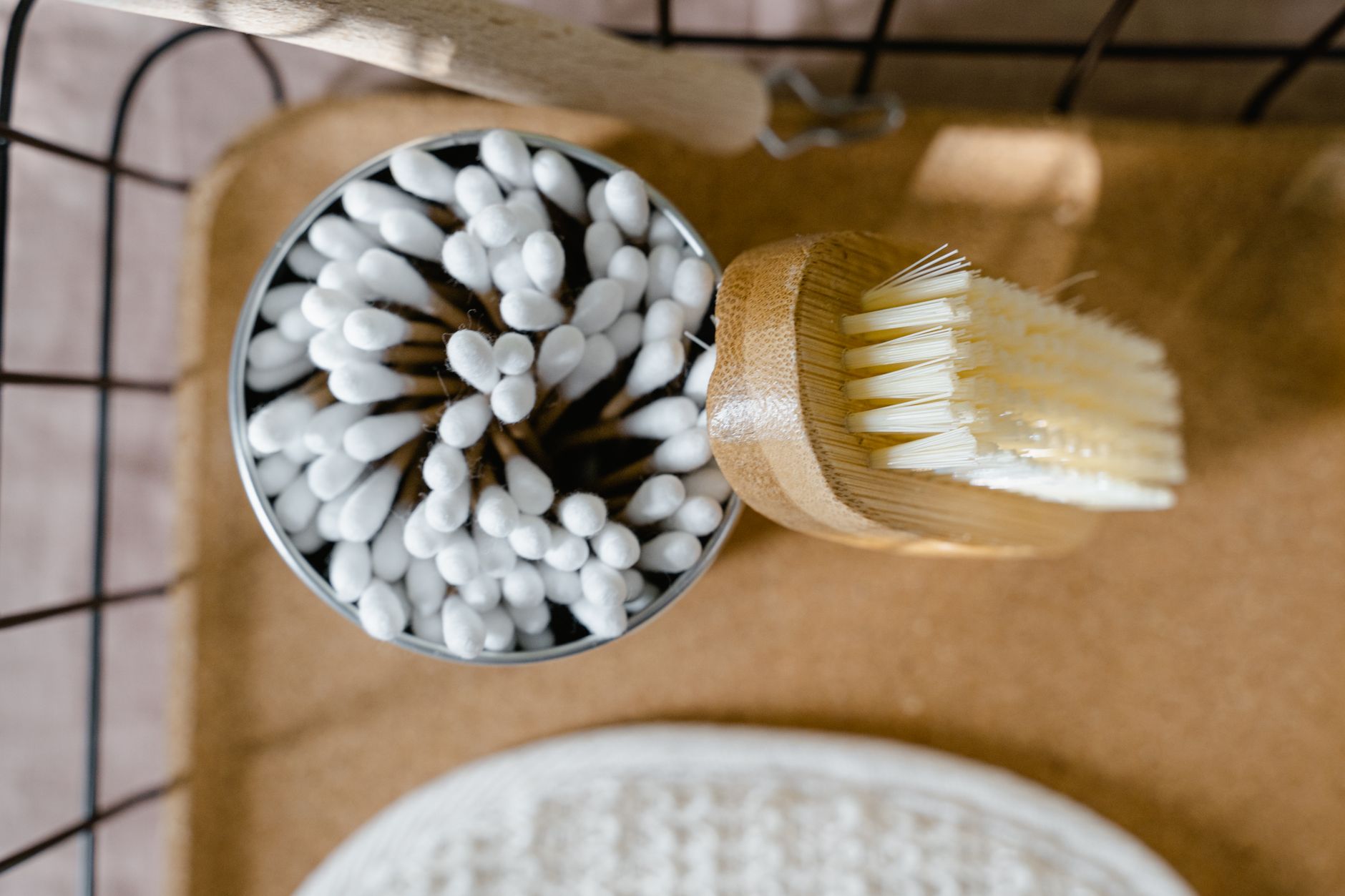
Verdict: Expensive, but you’ll never buy travel containers again.
- Pros: Magnetic, leakproof, made from recycled ocean-bound plastic, TSA-compliant, endlessly refillable
- Cons: $80+ for a set, small capacity for longer trips, proprietary system locks you in
These hexagonal pods snap together magnetically. They survive being thrown around in a backpack. I’ve flown with them 30+ times. Zero leaks. The recycled plastic claim is verifiable, not marketing fluff. Travel monthly? The math works. Travel twice a year? Skip to number 3.
2. Sea to Summit Ultra-Sil Hanging Toiletry Bag — Best Organization
Verdict: The bag that finally makes hotel bathroom counters usable.
- Pros: Bluesign-approved fabric, hangs anywhere, three compartments, weighs almost nothing
- Cons: No containers included, zippers can snag if overloaded, not fully waterproof
The hanging design is the killer feature. No more balancing bottles on a wet counter. The fabric is thin but tough — mine has survived three years of abuse. Pair it with your own refillable bottles. The lack of included containers is annoying at first. But it means you’re not stuck with someone else’s sizing.
3. Humangear GoToob+ 3-Pack — Best Budget Pick
Verdict: The refillable bottle that actually doesn’t leak.
- Pros: $20 for three, food-grade silicone, TSA-approved sizes, lifetime warranty
- Cons: Silicone picks up smells over time, caps can crack if overtightened, not the prettiest
I’ve tried a dozen refillable bottles. These are the only ones that haven’t leaked in my bag. The silicone is soft enough to squeeze thick lotion through. The “no-drip” valve works. At this price, you can buy two sets and still spend less than one Cadence capsule. The smell issue is real — wash them with baking soda every few months.
4. Bamboo Toothbrush + Case from Package Free — Best Zero-Waste Add-On
Verdict: A no-brainer swap that costs almost nothing.
- Pros: Compostable handle, BPA-free bristles, $5, comes with a travel case
- Cons: Bristles aren’t compostable (check local rules), handle can get soggy if left wet, no different from any other bamboo brush
Plastic toothbrushes are a nightmare — 1 billion end up in landfills annually in the US alone. A bamboo handle solves most of that. This one is cheap, works fine, and the case keeps it clean. Don’t overthink this category. Just make the swap.
5. Ethique Travel Bar Set — Best Solid Toiletries
Verdict: The real eco win, but only if you can handle bar soap.
- Pros: Zero plastic packaging, TSA-friendly (no liquid limits), lasts 3-4 weeks per bar, palm oil-free
- Cons: Bars need a dry case or they turn to mush, some people hate bar shampoo, limited scent options
Solid shampoo, conditioner, and body wash eliminate the entire liquid problem. No bottles, no leaks, no 3-1-1 bag. The trade-off is real: bar shampoo takes adjustment. Your hair might feel different for two weeks. Stick with it. The waste reduction is dramatic — one bar replaces three plastic bottles.

Buying Guide
Materials matter more than marketing. Look for these specs:
- Recycled content: “Made from recycled plastic” means nothing without a percentage. Look for 50%+ post-consumer recycled content or ocean-bound plastic with third-party certification.
- Leakproof construction: Silicone gaskets and screw-top lids beat snap-caps. Read reviews specifically mentioning leaks after 6+ months of use.
- TSA compliance: Containers must be 3.4 oz (100ml) or less. Solid bars have no limit. If a kit claims “TSA-friendly” but includes 4 oz bottles, skip it.
- Refillability: Can you buy replacement parts? Or is it a closed system? Open systems last longer.
- Weight: Every ounce counts in a carry-on. Silicone is heavier than fabric. Hanging bags beat hard cases for space.
- End-of-life: Can you compost it? Recycle it? Or is it just another plastic item with a green label?
Ignore vague claims like “eco-conscious” or “planet-friendly.” Demand specifics. A brand that can’t tell you exactly what’s recycled and how much is hiding something.
What to Avoid
Most eco travel kits are greenwashed garbage. Here’s what to skip:
“Biodegradable” plastic pouches. These only break down in industrial composters. In a landfill — where 90% of them end up — they behave exactly like regular plastic. The label is technically true and practically useless.
Bamboo fiber blends. If the label says “bamboo fiber” or “bamboo viscose,” it’s almost always rayon — a chemically-intensive fabric that’s often worse than cotton. Only solid bamboo (the hard wood) is genuinely sustainable. Watch for this trap.
Kits with 12+ pieces. You don’t need a folding toothbrush, a mirror, a nail clipper, a sewing kit, and a shoehorn in one pouch. Most of it breaks or gets lost. Buy the four things you actually use.
“Zero-waste” kits that ship in plastic. If the kit arrives wrapped in bubble wrap and a poly mailer, the math doesn’t work. Check the shipping materials before you buy.
Liquid hand sanitizer in single-use packets. Refillable bottles exist. There’s no excuse for this anymore.
Here’s a counter-intuitive take: sometimes the most eco-friendly choice is buying nothing. If you already own a decent toiletry bag and a few small bottles, use them until they break. The greenest kit is the one you don’t buy.
Overlooked Category
Most buyers miss solid sunscreen. It sounds weird. It works.
Liquid sunscreen is a travel nightmare — it leaks, it expires, it’s subject to liquid limits, and most formulas contain oxybenzone, which damages coral reefs. Solid sunscreen sticks and bars eliminate all of that. They’re TSA-exempt, they don’t leak, and reef-safe formulas are widely available now. Brands like Raw Elements and Stream2Sea make sticks that last a full week of beach days.
The catch? Application takes longer. You rub it in like a deodorant stick. Some leave a white cast on darker skin tones. Test before you commit. But for anyone heading to a beach destination, this single swap cuts an entire category of plastic waste and hassle. I’ve used solid sunscreen exclusively for two years. I’m not going back.
Verdict
Buy the Cadence Capsules if you travel monthly and want a system that lasts. Buy the Humangear GoToob+ if you want 90% of the benefit for 25% of the price. Add a bamboo toothbrush and a bar of solid shampoo. Skip everything else.
The best eco travel kit isn’t the one with the most pieces or the prettiest packaging. It’s the one you actually refill, reuse, and carry for years. That’s the whole point. Buy less. Buy better. Then stop buying.