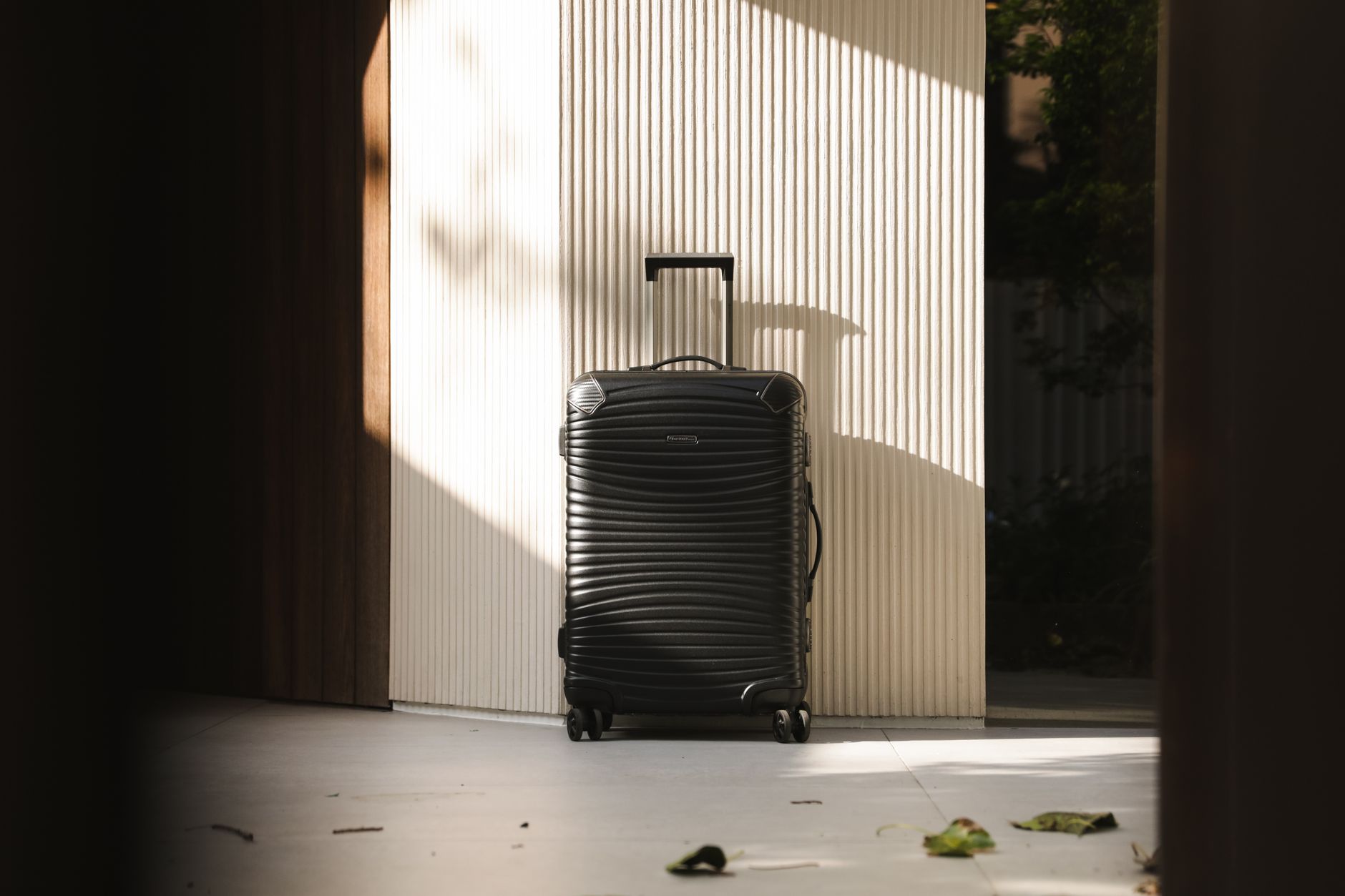
Most luggage is junk. Not because it breaks — because it’s built to be replaced. Zippers fail in year two. Wheels develop a wobble you can’t fix. The shell cracks at the corner where the airline threw it. So you buy another. And another. That cycle costs more than one good bag ever would, and every dead suitcase you toss adds another chunk of polycarbonate to a landfill that’s already full. camping-chairs-5-tested-picks-that-last/”>best-bike-accessories-for-commuting-5-picks-that-last/”>Bike Accessories Commuting.
Sustainable luggage flips that math. Buy once, repair it, keep it for a decade. The brands below are the ones actually doing the work — not slapping “eco” on a product page and calling it a day.
Why it matters
Cheap bags trade durability for price, then charge you again in three years. Sustainable options use recycled or recyclable materials, offer real repair programs, and build to survive handling. You spend more upfront and less over time. The planet gets a smaller bill too.

Top 5 Picks
1. Patagonia Black Hole Duffel
Verdict: The bag I’d grab if my house caught fire. Made from recycled polyester with a TPU film, backed by Patagonia’s Worn Wear repair program. It’s a duffel, not a spinner, so it’s not for everyone.
Pros: Bombproof construction, lifetime repairs, recycled materials, converts to a backpack.
Cons: No wheels, soft-sided so it won’t protect fragile gear, the TPU coating eventually yellows.
2. Briggs & Riley Baseline
Verdict: The buy-it-for-life spinner. Full stop. Their lifetime guarantee covers airline damage — something almost no competitor does. That’s not marketing; it’s a genuine cost transfer to the brand.
Pros: Unconditional lifetime warranty, ballistic nylon shell, repair centers worldwide, holds resale value.
Cons: Heavy before you pack anything, pricey at $700+, dated design language.
3. Away The Bigger Carry-On
Verdict: Best entry point if you want a hard shell and don’t want to think hard. Made with recycled polycarbonate and a decent warranty. Not the most sustainable, but not greenwashed either.
Pros: Affordable at ~$300, 100-day trial, solid wheels, recycled shell.
Cons: Warranty is limited, not lifetime. Repair options are thin. The brand’s “sustainability” page is mostly vibes.
4. Eagle Creek Gear Warrior
Verdict: The adventure traveler’s pick. No lifetime warranty theater — just a No Matter What guarantee that actually gets used. Recycled fabrics and a design that survives checked-bag abuse.
Pros: No Matter What warranty, rugged wheels, recycled materials, good compression.
Cons: Bulky, not stylish, limited color options.
5. Horizn Studios H5
Verdict: The design-forward option for people who want sustainability without looking like they’re headed to a base camp. Recycled polycarbonate, vegan leather details, and a repair service that’s actually responsive.
Pros: Clean look, recycled shell, repair program, decent warranty.
Cons: Pricier than Away for similar specs, less proven durability record.
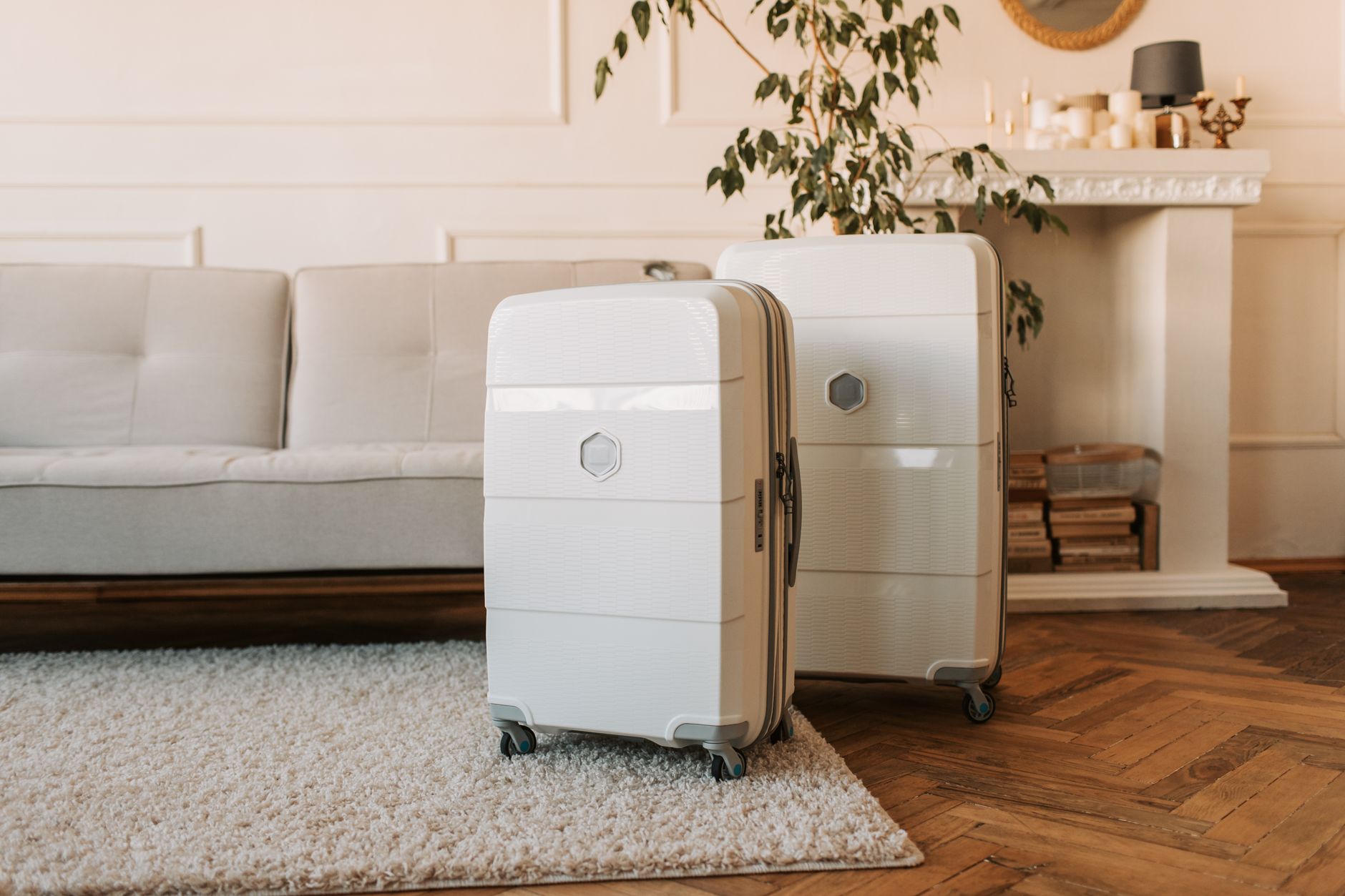
Buying Guide
Ignore the marketing. Here’s what actually matters.
- Shell material: Recycled polycarbonate or ballistic nylon. Avoid virgin ABS — it cracks.
- Wheels: Replaceable is the whole game. If you can’t swap a wheel, the bag is disposable.
- Warranty language: “Limited lifetime” often excludes airline damage. “Unconditional” is the real deal.
- Repair program: A brand that fixes bags is a brand that expects them to last.
- Weight: Lighter is better, but not at the cost of a flimsy frame.
One counter-intuitive point: the most sustainable bag is usually the heaviest one. Lightweight construction often means thinner materials, which means shorter life. A 10-pound bag you keep for 15 years beats a 6-pound bag you replace every 4.
Check the zipper brand. YKK is the standard. Anything else, ask why.
Look at the handle. Does it wobble when you shake it? That’s the first thing to fail.
What to Avoid
“Eco-friendly” with no specifics. If a brand can’t tell you the percentage of recycled content, it’s decoration.
Bags with glued-on wheels. They will fail, and you can’t fix them.
Warranties that require you to ship the bag at your own cost. That’s a warranty designed to never be used.
The “sustainable” leather trim. Vegan leather is often plastic. Real leather lasts longer but has its own footprint. Neither is a clean win, so don’t pay a premium for the label.
Overhyped features: built-in chargers, GPS trackers, compression straps that don’t compress. These add failure points. A bag’s job is to carry your stuff and survive. Everything else is noise.
One more trap: brands that sell “sustainability” as a colorway. A green bag made of virgin plastic is still virgin plastic.
Overlooked Category
Secondhand. The most sustainable luggage is the bag someone else already bought and didn’t want.
Briggs & Riley bags show up on resale sites constantly, often at 40–60% off retail, and the lifetime warranty transfers in many cases. Patagonia’s Worn Wear program sells repaired used gear directly. eBay and Facebook Marketplace are full of barely-used spinners from people who bought the wrong size.
This is the option most buyers skip because it feels like a compromise. It isn’t. You get the same bag, a lower price, and zero new materials consumed. The only real cost is time spent hunting.
Check the warranty transfer policy before you buy. Some brands honor it, some don’t. Briggs & Riley generally does.
The Verdict
Buy the Briggs & Riley if you can afford it. The lifetime warranty that covers airline damage makes the math work over any ten-year window. It’s the closest thing to a permanent purchase in this category.
If $700 is too steep, get the Patagonia Black Hole. It’s cheaper, just as tough in practice, and the repair network is real.
Skip the trendy direct-to-consumer hard shells unless you’re a light traveler who replaces bags every few years anyway. They’re fine. They’re not the answer.
And seriously — check the resale market first. What’s your current bag’s actual lifespan been? If it’s under five years, you already know why this matters.