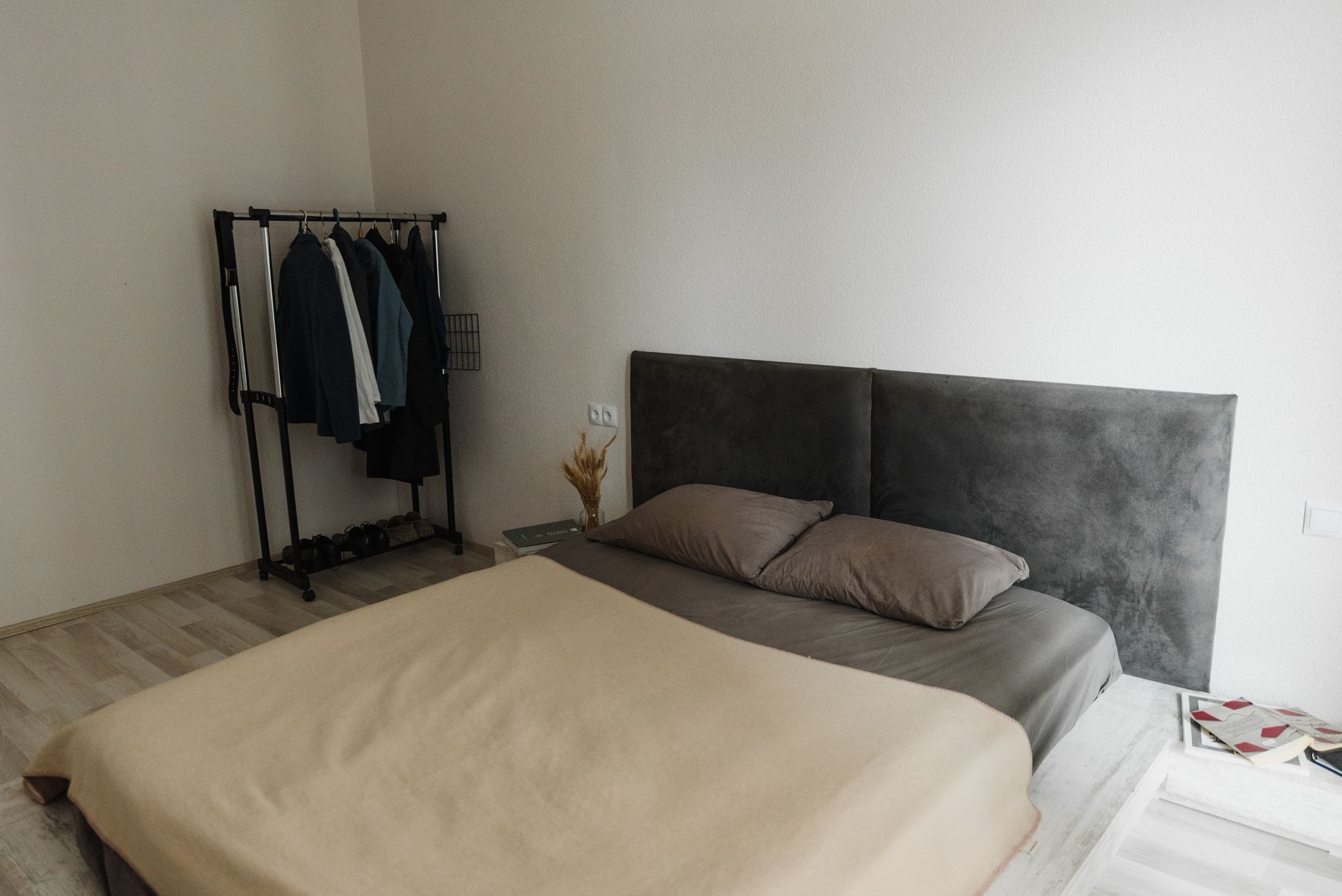
You spend a third of your life asleep. Most people treat their bedroom like a storage unit with a mattress in it. Phone charging by the pillow. A cheap box fan rattling in the corner. Blackout curtains from a clearance bin. Then they wonder why they wake up at 3 a.m. staring at the ceiling. kitchen-gadgets-worth-buying-5-that-earn-their-space/”>worth-buying/”>Smart Speakers 2026.
I’ve tested sleep products for six years. Bought most with my own money. Returned plenty. This category is bloated with garbage — $400 gadgets that do nothing but track how badly you’re already sleeping. But a handful of tools genuinely change how fast you fall asleep and how rested you feel at 6 a.m. Here are the five worth your money, plus the traps to dodge.
Why It Matters
Poor sleep wrecks everything — focus, mood, metabolism, immune response. You can’t out-supplement it. Most sleep problems come from three controllable inputs: light, temperature, and noise. The right gear fixes those cheaply. The wrong gear just adds another screen to your nightstand.

Top 5 Picks
1. Manta Sleep Mask — Best Overall
Verdict: The only sleep mask I’ve used that blocks 100% of light without pressing on your eyeballs. The modular cups sit around your eyes, not on them. Side sleepers, this is your mask.
- Pros: Total blackout, zero pressure on eyes, adjustable, machine-washable cover
- Cons: Looks ridiculous, $35–$45, the cups take a week to get used to
2. Eight Sleep Pod 4 — Best If You Have Money to Burn
Verdict: A water-cooled mattress cover that actively regulates temperature per side of the bed. It works. It’s also $2,500+. Buy it if you run hot and share a bed with someone who runs cold.
- Pros: Real temperature control, excellent sleep data, dual-zone for couples
- Cons: Absurd price, subscription for full features, requires setup and maintenance
3. Loop Quiet 2 Earplugs — Best Value
Verdict: $25 for 27 dB of noise reduction. Reusable, comfortable, and they don’t make you feel like you’re underwater. The single best sleep purchase most people can make.
- Pros: Cheap, effective, discreet, multiple tip sizes
- Cons: Not for side sleepers who toss a lot, won’t kill a snoring partner entirely
4. Hatch Restore 2 — Best Wind-Down Device
Verdict: A sunrise alarm and sound machine that actually earns its nightstand space. The guided wind-downs are decent. The gradual light wake-up beats a blaring phone alarm every time.
- Pros: Sunrise simulation, solid sound library, no phone needed at night
- Cons: $170, subscription for premium content, app setup is clunky
5. BedJet 3 — Best for Hot Sleepers on a Budget
Verdict: Blows temperature-controlled air under your sheets. Less elegant than Eight Sleep, far cheaper, and it works. Great for night sweats.
- Pros: Under $600, fast cooling, no water to refill
- Cons: Noisy on high, bulky unit at the foot of the bed, tube under the covers takes getting used to

Buying Guide
Ignore marketing. Sleep gear comes down to four specs that actually matter.
Light blocking. Your brain needs darkness to produce melatonin. Look for masks rated at 100% blackout or curtains with a true blackout lining — not “room darkening.” If light leaks around the edges, it’s useless.
Noise reduction in decibels. Earplugs are rated in NRR (Noise Reduction Rating). Anything under 20 dB is a toy. 25–33 dB is the real range. Sound machines should produce steady, low-frequency noise — brown or pink noise beats white noise for most people.
Temperature control. The ideal sleep environment is 65–68°F. Active cooling systems (Eight Sleep, BedJet) beat fans because they regulate, not just circulate. If you won’t spend that much, a good fan plus breathable sheets gets you 70% of the way.
Data quality. Most sleep trackers are guesswork dressed up as science. If a device claims to measure sleep stages from your wrist alone, be skeptical. Chest straps and under-mattress sensors are more accurate. Better yet — do you actually need the data, or do you just need to sleep better?
What to Avoid
Skip the $300 “smart” pillows with built-in speakers. Every one I’ve tested sounds worse than a $20 Bluetooth speaker and adds a charging cable to your bed. Avoid weighted blankets over 20 lbs — they can restrict breathing and aren’t safe for everyone. And don’t buy a sleep supplement subscription before you’ve fixed your light and noise. Melatonin won’t save you from a streetlight blasting through your window.
The biggest trap: gadgets that track sleep without improving it. A ring that tells you that you slept badly is not a sleep aid. It’s a scoreboard for a game you’re losing.
Overlooked Category
Nobody talks about bedding as sleep tech. A good linen or percale cotton sheet set breathes far better than microfiber, and it costs less than any gadget on this list. Pair breathable sheets with a wool or down alternative comforter that regulates temperature, and you’ve solved half your night sweats without plugging anything in.
Counter-intuitive take: the best sleep upgrade is often subtraction, not addition. Remove the TV. Move the phone across the room. Get the dog off the bed. That’s free and it works better than most of what I’ve tested.
Verdict
If you buy one thing, buy the Manta Sleep Mask. It’s $40 and it fixes the most common sleep killer: light. Add Loop earplugs for $25 and you’ve spent under $70 to solve two of the three big inputs. Only then consider temperature control — and only if you’ve got the budget. The Eight Sleep and BedJet earn their price for hot sleepers, but they’re luxuries, not necessities. Start cheap. Fix the basics. Sleep is not a product category. It’s a habit your gear should support, not replace.