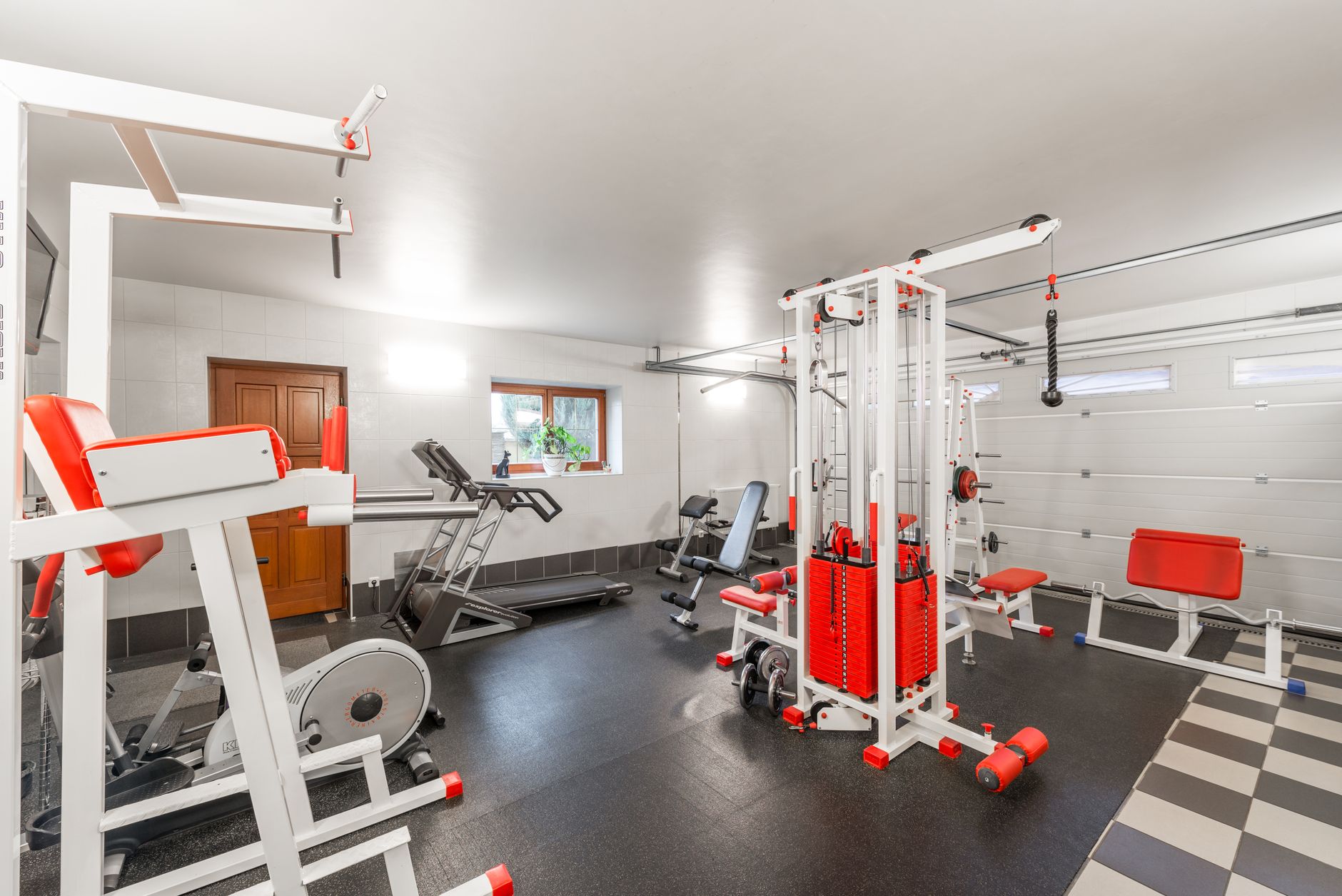
You don’t need a $3,000 rack, a branded barbell, and a wall of mirrors to get strong at home. Four hundred bucks and the discipline to show up three times a week will do it. I’ve tested dozens of budget pieces over five years. Most are garbage dressed up with slick marketing. A few are genuinely excellent. The gap between them has nothing to do with price and everything to do with a handful of specs most buyers ignore until the thing wobbles under load. Eco Friendly Travel Kits. Fitness Trackers 2026.
Here’s the honest math. A commercial gym membership runs $40 to $80 a month in most cities. That’s $600 a year, every year, forever. A modest home setup pays for itself in eight to twelve months and keeps working for a decade if you buy the right pieces. That’s the entire case for going home. The catch: cheap gear fails in ways that hurt you. So the goal isn’t the lowest price. It’s the lowest price that doesn’t compromise safety or longevity.
Why it matters
Home training removes the two biggest friction points: travel time and crowds. Budget gear, though, has a real failure mode. Flimsy racks tip. Thin bars bend. Cheap resistance bands snap at the worst moment. Spending smart means buying fewer pieces that hold up under load, so you actually train instead of replacing broken equipment every six months.

Top 5 Picks
1. Adjustable Dumbbell Set (Yes4All or Bowflex SelectTech 552)
The single best dollar-per-result purchase in home fitness. One pair replaces an entire rack and covers nearly every movement pattern you need. I’ve run the SelectTech 552 for four years without a single locking failure.
- Pros: Huge space savings, fast weight changes, covers presses, rows, curls, lunges, carries.
- Cons: Plastic internals on cheaper models wear over time, drop them and you’re buying new ones.
Verdict: Buy these first. Everything else is secondary.
2. Flat Utility Bench (Rep Fitness FB-3000 or Titan Flat Bench)
A stable flat bench unlocks pressing, rows, step-ups, and split squats. Skip the adjustable incline version at this price point. The hinge mechanism is where budget benches cut corners and where they get dangerous.
- Pros: Rock-solid under 400 lbs, cheap, takes up almost no floor space.
- Cons: No incline work, pad density varies wildly between brands.
Verdict: Get flat. Spend the incline money on dumbbells instead.
3. Power Rack or Squat Stand (Fitness Reality 810XLT)
This is where people overspend. A sub-$300 rack with 2×2 steel and an 800 lb capacity handles everything a home lifter will ever throw at it. The $1,500 rack doesn’t make you stronger. It just looks better in photos.
- Pros: Safe solo training, pull-up bar included on most models, anchors your whole setup.
- Cons: Assembly takes 90 minutes, cheap J-hooks scratch bars.
Verdict: Buy the budget rack. Upgrade the J-hooks, not the frame.
4. Olympic Barbell and Bumper Plates (Rogue Echo Bar, Rep Black Bumper set)
This is the one place I’ll tell you to stretch the budget. A $150 barbell bends at 185 lbs and stays bent. A $275 bar with 190k PSI tensile strength and a decent knurl will outlive you. Plates matter less. Iron is iron.
- Pros: The bar is the tool you touch every session, quality knurling changes everything.
- Cons: Shipping on plates is brutal, bumper sets cost more than iron.
Verdict: Spend here. A good bar is a decade-long purchase.
5. Kettlebell (Rogue or Rep, single 35 lb)
One kettlebell does swings, goblet squats, presses, cleans, and carries. It’s the most versatile single object in fitness and the cheapest way to add conditioning to a strength setup.
- Pros: Cast iron lasts forever, powder coat grips well, tons of free programming online.
- Cons: You’ll want a second weight within a year, shipping costs again.
Verdict: Buy one quality bell over a cheap set of three.
Buying Guide
Weight capacity is the first number everyone checks and the last number that actually matters. A rack rated for 800 lbs is fine. A rack rated for 1,000 lbs doesn’t make you safer at 225 lbs. What matters is steel gauge, weld quality, and whether the base has a wide enough footprint to resist tipping during a failed rep.
Look for 11-gauge or 12-gauge steel on racks and stands. Anything thinner flexes under load and feels unstable, which kills your confidence on heavy squats. Tube thickness of 2×2 inches is the practical minimum. 3×3 is nicer, but you pay for it and you rarely need it at home.
On bars, check three specs. Tensile strength should be 190,000 PSI or higher. Bearing or bushing type matters less than people claim for general lifting. Bushings are fine for slow lifts. Bearings help on cleans and snatches. Knurl depth is subjective, but a bar with shallow knurl will slip once your hands get sweaty. Test it if you can.
Dumbbells deserve their own rule. If the handle is plastic, walk away. If the plates rattle when you shake it, walk away. If the locking mechanism is a screw collar instead of a dial or pin, expect it to loosen mid-set. Metal handles with a secure locking system are non-negotiable.
Flooring is the silent budget killer. Rubber horse stall mats from a farm supply store cost a third of what “gym flooring” costs and do the same job. Two 4×6 mats cover most home setups for under $100. Buy them before you buy a single dumbbell. Concrete cracks, and dropping iron on it gets expensive.
One counter-intuitive take: ignore “space-saving” marketing on foldable racks. They fold, sure, but you’ll never fold them. You’ll leave them up, and you’ll have paid a premium for a hinge that adds a failure point. Buy a fixed rack and accept that your garage has a rack in it now.
What to Avoid
Resistance bands sold as a complete system. Bands are a useful accessory, not a foundation. Any program promising a full physique from a $30 band set is selling you hope. They snap, they stretch out, and the tension curve is wrong for most strength work.
Adjustable benches with too many positions. Every hinge and pin is a potential failure point. The bench that does incline, decline, and flat usually does none of them well at budget prices. Buy flat. Buy solid.
Cheap all-in-one home gym machines. The cable crossover towers that cost $200 are the worst category in the market. The pulleys bind, the weight stacks are light, and the cable snaps under real load. They take up a huge footprint and deliver a mediocre workout.
Any barbell under $150 with a claimed 700 lb capacity. That number is fiction. The bar will bend, and a bent bar rolls unpredictably in your hands, which is how people get hurt. There is no bargain barbell. There’s only a good bar or a dangerous one.
Branded accessories. Lifting belts, straps, and sleeves are largely commodity products. A $30 belt from a reputable no-name brand performs the same as a $120 belt with a logo. Save the money for the bar.
Overlooked Category
Most buyers skip the pull-up bar, or they buy a doorway bar that damages trim and limits their grip width. The overlooked option is a wall-mounted or ceiling-mounted bar, or a rack with an integrated pull-up bar — which most budget racks already have. Vertical pulling is the single most neglected movement in home training, and it’s the one that builds the back and shoulders people actually notice.
If you can’t mount anything, a set of rings hung from a sturdy beam costs $40 and gives you rows, push-ups, and assisted work. Rings are the cheapest functional strength tool on the planet and almost nobody buys them. The instability forces your stabilizers to work, which is exactly what the machines at your old gym were doing for you.
Second overlooked category: a simple loading pin and a pair of handles for plate-loaded work. Twenty bucks. Turns your plates into a farmer’s carry and a trap bar substitute. Nobody talks about this because there’s no brand spending money to promote it.
The final call
If you have $500, buy adjustable dumbbells, a flat bench, and floor mats. That’s a complete training setup for 90% of people. If you have $1,000, add a budget rack and a quality barbell. That covers everything from squats to presses to pulls. If you have $1,500, add bumper plates and a kettlebell and you’re done. You have a home gym that will outlast three commercial memberships.
Buy less. Buy better. The best equipment is the piece you actually use, and the cheapest piece is the one you never have to replace. What’s sitting in your garage right now that you bought and never touched?