
Most travel gadgets are junk. There, I said it. Glowing Kickstarter chargers that die in six months. “Universal” adapters that fit nothing. Tracking tags you forget to charge. I’ve tested dozens of these things across four continents, and about 80% of what’s marketed as travel tech is just consumer debt with a USB port. The remaining 20% changes how you move through the world. A good power bank means you stop planning your day around outlet locations. A real adapter means you stop buying disposable ones at airport kiosks for triple the price. The right gear disappears into the background. That’s the whole point. Buy less. Buy better. Carry lighter. This list is what survived my own bag after years of ruthless editing. best-laptops-for-creators-2026-5-picks-that-earn-it/”>Laptops Creators 2026.
Why it matters
Bad travel tech costs you twice: once at purchase, again when it fails on the road. Good gear removes friction you didn’t know you were carrying. You stop hunting for outlets, stop babysitting batteries, stop improvising solutions in foreign cities at 11pm. The goal isn’t more gadgets. It’s fewer, better ones that just work.
Top 5 Picks
1. Anker 737 Power Bank (PowerCore 24K)
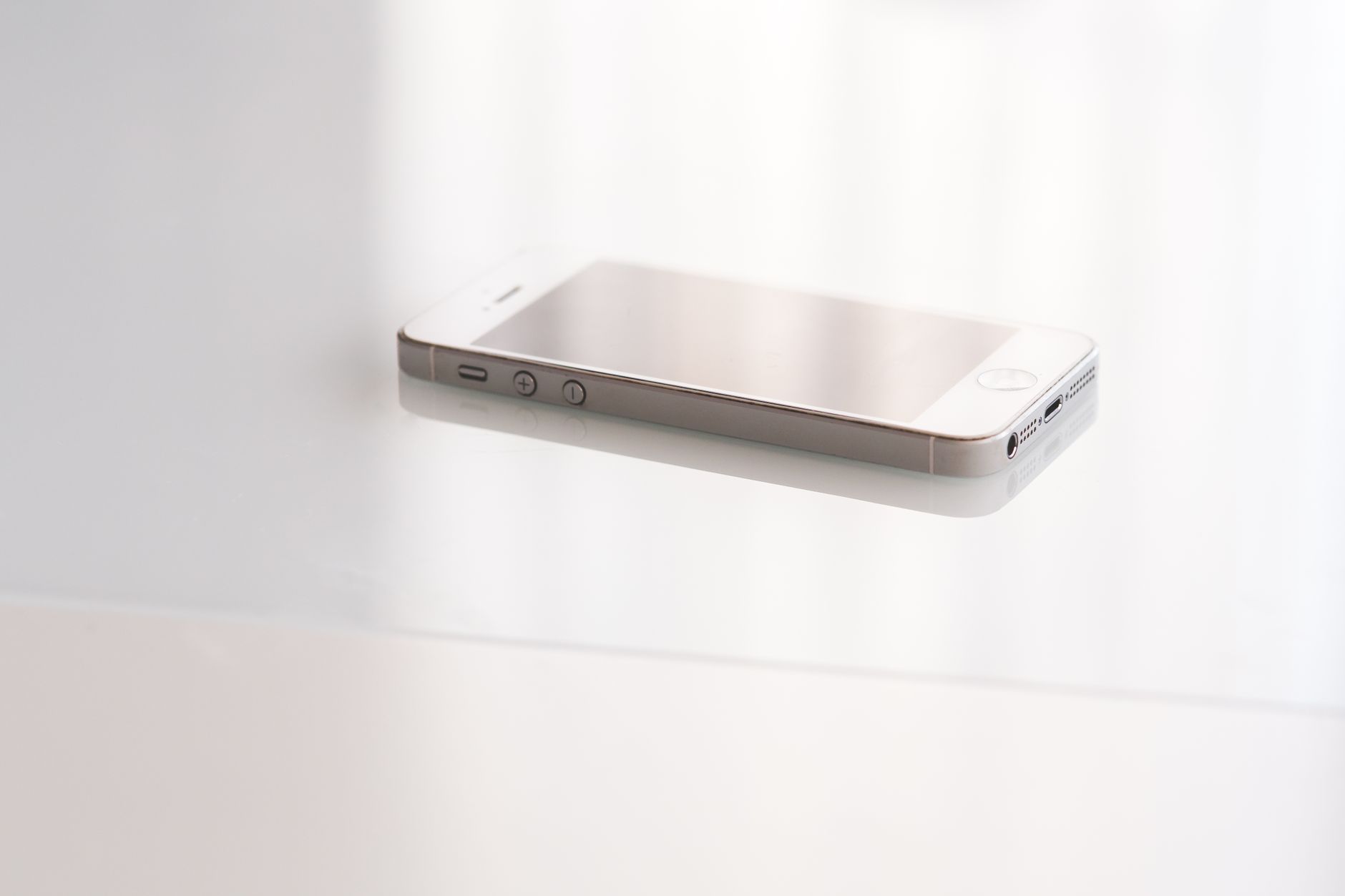
Verdict: The only power bank I’ve stopped worrying about. 24,000mAh, 140W output, and a real digital display showing exact wattage in and out. It charges a laptop, a phone, and earbuds at once without breaking a sweat.
- Pros: Genuine 140W output, smart display, airline-legal capacity, survives drops
- Cons: Heavy at 1.4 lbs, pricey, overkill if you only charge phones
2. Epicka Universal Travel Adapter
Verdict: Boring, cheap, and it works in 150+ countries. This is the adapter I hand to friends before their first international trip. It covers US, UK, EU, and AU plugs in one brick, plus two USB-A and two USB-C ports.
- Pros: Under $30, covers nearly every plug type, doubles as a mini charging hub
- Cons: No voltage conversion, USB-C ports are slow, plastic feels cheap
3. Apple AirTag (or Tile if you’re on Android)
Verdict: The single highest-value travel purchase under $40. Drop one in your checked bag and you’ll never stand helpless at a baggage carousel again. The network effect is everything here — AirTags piggyback on every iPhone nearby.
- Pros: Cheap, reliable tracking, replaceable battery, huge finding network
- Cons: No built-in loop (you’ll buy a holder), Android users need Tile instead
4. Anker Nano II 65W Charger
Verdict: One charger to replace the pile. It’s the size of a matchbox, charges a MacBook Air at full speed, and eliminates the need for a laptop brick entirely. This is the definition of traveling lighter.
- Pros: Tiny, fast, GaN tech runs cool, folds flat
- Cons: One port only, no cable included, gets warm under sustained load
5. Shokz OpenRun Pro Headphones
Verdict: Bone conduction sounds like a gimmick until you’re navigating a foreign city and need to hear traffic, announcements, and your surroundings. They’re not audiophile-grade. They’re not supposed to be.
- Pros: Situational awareness, sweatproof, 10-hour battery, comfortable for long wear
- Cons: Weak bass, sound leaks at high volume, expensive for what they are

Buying Guide
Here’s what actually matters when you’re standing in a store (or more likely, scrolling at midnight).
Wattage, not milliamp-hours. Everyone quotes mAh because it’s a bigger number. What matters is watts. A 20,000mAh bank that outputs 18W charges a phone slowly and a laptop not at all. Look for 45W minimum if you carry a laptop, 65W+ if you want headroom. The 737’s 140W is overkill for most people, but the headroom means it never strains.
GaN over silicon. Gallium nitride chargers run cooler, smaller, and more efficiently than old silicon bricks. There’s no real downside anymore. If a charger you’re looking at doesn’t mention GaN, it’s probably old stock.
Port count matters less than port type. Two USB-C ports beat four USB-A ports every time. USB-C is the standard now. Buying USB-A in 2024 is buying for the past.
Weight is a spec. Every ounce compounds over a two-week trip. A power bank that weighs 1.5 lbs feels fine on day one and feels like a brick on day ten. Do the math before you buy.
Cables are not an afterthought. The best charger in the world is useless with a $3 cable that only carries 12W. Buy one good braided USB-C cable rated for 100W and treat it like gear, not an accessory.
One counter-intuitive take: you probably don’t need a travel-specific anything. A great home charger is a great travel charger. The “travel” label usually just means smaller and more expensive. Buy the best version of the thing you already use, and it’ll serve both lives.
What to Avoid
Multi-tool everything gadgets. The power bank with a built-in projector and a flashlight and a hand warmer. Every added function is another point of failure. I’ve never seen one of these last a year.
“Universal” adapters with moving parts. The ones with sliding pins and rotating dials break constantly. Solid-body adapters with fixed plugs are boring and reliable. Boring wins.
Brandless power banks from marketplace apps. This is the one category where cheap can genuinely hurt you. Lithium cells from unknown manufacturers have a real failure mode, and it’s fire. Pay for a brand with a warranty. Anker, Belkin, UGREEN — pick one and stop gambling.
Overhyped tracking tags with subscriptions. Some competitors charge monthly fees for features AirTag and Tile give you free. Read the fine print. A tracker with a subscription is a rental, not a purchase.
Noise-canceling headphones for city travel. I know, this is controversial. Active noise cancellation is fantastic on planes. It’s actively dangerous when you’re crossing streets in Rome. Bring both, or bring bone conduction and save the ANC for the flight.
Chargers that only work in one region. A US-only charger is dead weight the moment you land in Europe. Buy 100-240V input, always. It’s the standard now and there’s no reason to accept less.
Overlooked Category
Everyone talks about chargers, adapters, and headphones. Almost nobody talks about the thing that makes all of them useless: a good cable organizer.
I’m serious. The single most underrated travel tech purchase is a simple zippered pouch with elastic loops. Ten dollars. It keeps your cables untangled, keeps your adapters from scattering across a hotel room, and — this is the real win — makes it obvious when something is missing. You glance in the pouch before you leave a hotel and you know instantly if your charger is still plugged into the wall.
The alternative is the chaos method: cables knotted in a bag pocket, adapter lost under a bed, AirTag left in the last hotel’s nightstand. I’ve done both. The pouch wins. It’s the least glamorous item on this list and the one that quietly saves the most trips.
If you want something more specialized, look at hard-shell tech cases from brands like Peak Design or Bellroy. They cost more, but they last forever and they force you to carry only what fits. That constraint is a feature, not a bug.
Verdict
You don’t need five gadgets. You need two or three that work every single time, plus the discipline to leave the rest at home. If I had to build a bag from scratch tomorrow, it would be the Anker 737, the Epicka adapter, an AirTag, and a ten-dollar pouch. That’s under $200 and it covers 95% of what actually goes wrong on the road. Everything else is noise.
So here’s the question worth sitting with: how much of your current travel tech have you actually used on your last three trips? If the answer is less than half, you already know what to do. Buy less. Buy better. Pack lighter. Your shoulders, your wallet, and your future self at the airport gate will all thank you.