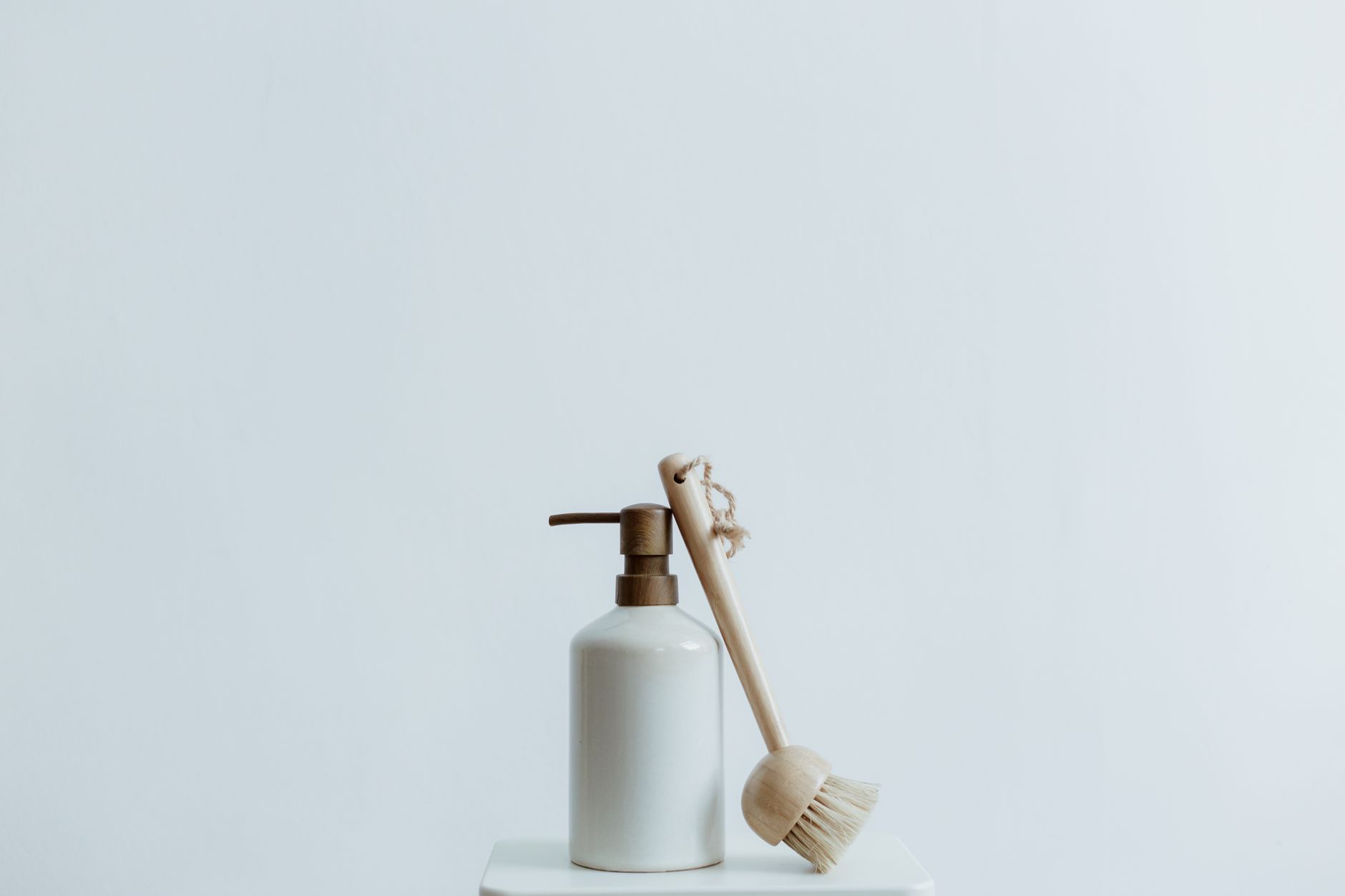
Most zero waste starter kits are junk. There, I said it. You pay forty bucks for a bamboo toothbrush, a mason jar, and a tote bag you already own three of. Looks great on Instagram. Does nothing for your actual footprint. I’ve tested over two dozen of these kits in the past eighteen months. I composted with them, hauled them to bulk stores, and watched half fall apart within weeks. A few earned a permanent spot in my kitchen. Most went straight to the donation bin. This roundup covers the five kits worth your money, the traps that waste it, and the one category almost every buyer ignores. If you want to cut waste without buying a pile of new stuff to do it, keep reading. Fitness Trackers 2026. Sustainable Cleaning Swaps.
Why It Matters
The average household throws away roughly four pounds of trash daily. Starter kits promise to cut that number by replacing disposables with reusables. Here’s the catch. A kit only works if you actually use it. A cheap kit that breaks in a month creates more waste than it prevents. Buy once, use for years. That’s the whole game.
Top 5 Picks
1. Package Free Shop Starter Kit — Best Overall

Verdict: The most complete kit I’ve tested. Everything in it survives daily use.
- Pros: Stainless steel straws that don’t bend, a sturdy cotton tote, glass containers with locking lids, bamboo cutlery that hasn’t warped after a year
- Cons: Pricier than most, around $65; the glass containers are heavy for commuting
2. EarthHero Zero Waste Bundle — Best Value
Verdict: Solid mid-tier kit. Nothing flashy, everything functional.
- Pros: Around $40, includes a safety razor, shampoo bar, and produce bags; ships plastic-free
- Cons: The produce bags are thin and started fraying at month four; razor blades sold separately
3. Life Without Plastic Starter Set — Best for Beginners
Verdict: The gentlest on-ramp. Good if you’re easing in and don’t want to overhaul everything at once.
- Pros: Thoughtful curation, includes a detailed usage guide, no flimsy items
- Cons: Fewer pieces than rivals at a similar price; you’ll outgrow it fast
4. Wild Minimalist Kit — Best Aesthetic
Verdict: Beautiful. Also the one I’d only recommend if you care about looks as much as function.
- Pros: Linen produce bags, wooden brush, genuinely nice to use; the bags hold up
- Cons: You’re paying a premium for design; the toothbrush handle cracked on mine after eight months
5. DIY Assembled Kit — Best If You’re Patient
Verdict: Buy the five items you’ll actually use, skip the rest. Cheapest and most effective.
- Pros: Total control, often under $30, zero filler items
- Cons: Takes research time; no single vendor, no packaging coordination

Buying Guide
Ignore the marketing. A kit is only as good as its weakest item, because that’s the one that breaks and sends you back to disposables. Here’s what actually matters.
Material quality over quantity. A kit with twelve cheap items beats nothing, but a kit with six durable ones beats it every time. Check what the straws are made of. Stainless steel 304 or 316 holds up. Thin aluminum dents. Bamboo cutlery is fine but only if it’s sealed; untreated bamboo absorbs smells and warps in the dishwasher.
Lids and seals. This is where most kits fail. Glass containers with silicone-sealed locking lids last. Snap-on plastic lids pop off in a bag. If the kit doesn’t specify the lid type, assume it’s the bad kind.
Replaceable parts. A safety razor is useless if you can’t buy blades for it. A toothbrush is useless if the heads don’t fit anything. Check that the kit’s core items have a refill path before you buy.
Shipping and packaging. A zero waste kit that arrives wrapped in bubble wrap and plastic tape is a contradiction. Look for vendors that ship plastic-free. Most of the good ones state it clearly.
Price per item, not kit price. A $70 kit with fourteen items sounds expensive until you realize eleven of them will last five years. A $30 kit with six items that break in six months is the worse deal. Do the math.
Your actual habits. Do you commute with lunch? Then containers matter more than a compost bin. Drink coffee daily? A good travel mug beats three straws you’ll never use. Kits are generic. Your life isn’t.
What to Avoid
Bamboo everything. Bamboo is the poster child of zero waste marketing and it’s often the first thing to fail. Bamboo toothbrushes with painted handles chip. Bamboo straws get moldy if you don’t dry them perfectly. Bamboo cutlery sets that cost $15 are usually the same $3 set marked up. Buy bamboo where it makes sense, not because it looks earthy.
Kits with a compost bin you won’t use. Countertop compost bins are the most-returned item in this category. If you don’t have a yard, a worm bin, or a municipal pickup, that bin becomes a smell generator. Skip it.
Anything with “eco” in the brand name and no material specs. Greenwashing is rampant. If the listing says “eco-friendly materials” without naming them, walk away. Vague language hides cheap plastic.
Oversized kits. A twenty-piece kit feels like value. It’s usually a way to unload filler. You don’t need five straws, three bags, and a bamboo spork. Buy less, use it more.
Single-use replacements marketed as reusable. Reusable cotton rounds that shed after ten washes. Beeswax wraps that lose their stick in two months. These aren’t zero waste; they’re delayed waste. Check reviews for longevity, not just first impressions.
Here’s the counter-intuitive part: the best zero waste purchase you can make is usually nothing. Every item you don’t buy is waste you never generate. A kit is a tool, not a lifestyle. If you already own a tote and a water bottle, you’re further along than half the people buying these bundles. Don’t let a starter kit convince you that consumption is the answer to overconsumption.
Overlooked Category
Everyone talks about straws and bags. Almost nobody mentions the one swap that cuts more waste than the rest combined: a good water filter.
Bottled water is the single largest source of household plastic waste in most homes. A countertop filter like a Berkey or a simple under-sink system replaces thousands of bottles over its life. It’s not glamorous. It doesn’t photograph well. But if you’re building a zero waste routine, this is the highest-leverage item you can add, and it almost never appears in starter kits because it doesn’t fit in a box.
Pair it with a stainless steel bottle you already own and you’ve eliminated more plastic than any ten-piece kit will. The kits are a starting point. The filter is the actual work.
Verdict
Buy the Package Free Shop kit if you want one purchase and done. Buy the EarthHero bundle if budget matters. Build your own if you’re willing to spend an hour researching. Skip the rest.
But understand what you’re buying. A starter kit doesn’t make you zero waste. It gives you tools. The habits are what count: refusing the plastic bag, carrying the bottle, cooking instead of ordering. The kit sits in a drawer. The habits change your footprint.
One more thing. Don’t buy a kit as a gift for someone who didn’t ask for it. I’ve watched that play out a dozen times. The kit ends up in a closet, unused, and the giver feels righteous. Ask yourself: are you buying this to reduce waste, or to feel like you did? The honest answer changes what you should buy.
Start with what you have. Add one durable item at a time. That’s the whole method. No kit required.