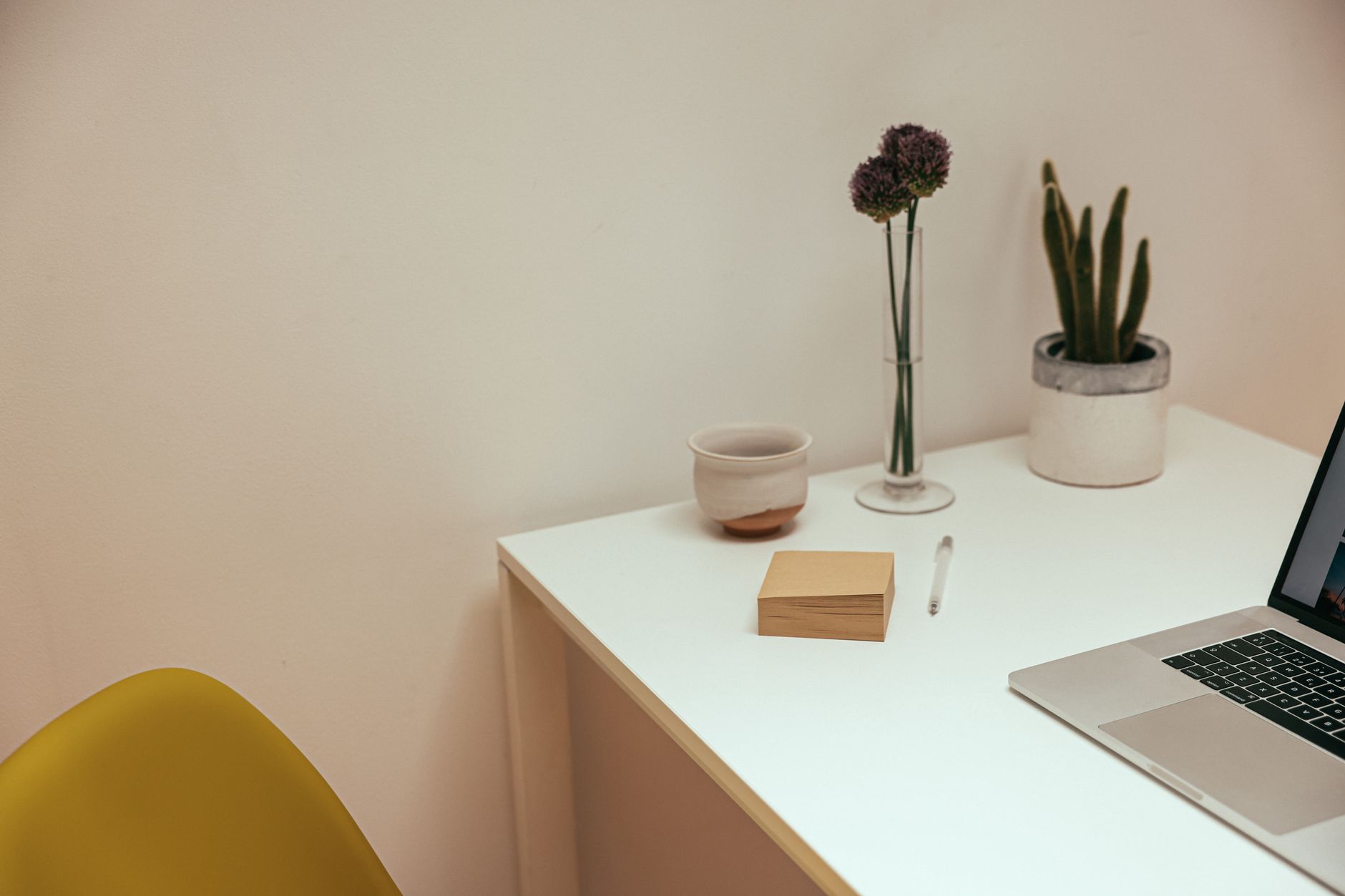
Plants on a desk aren’t decoration. They’re a performance tool you happen to water. I’ve tested dozens of species across three apartments and two offices. Killed more than I care to admit. Kept the survivors that actually earned their square footage. The ones below survived neglect, low light, and my habit of disappearing for two weeks at a time. That’s the real test — not a pretty label at the nursery. Smart Speakers 2026. Reading Lamps Evening. Air Purifiers Home.
Most desk plant advice comes from people who’ve never watched a pothos crisp up next to a heating vent. I have. So this roundup skips the romance and gives you five plants worth your money, the specs that matter, and the traps that waste it.
Why It Matters
Focus is fragile. A blank wall and a glowing screen drain attention fast. The research on greenery is modest but consistent: a little living texture nearby tends to calm the nervous system and soften mental fatigue. You aren’t buying productivity in a pot. You’re buying a small, quiet anchor that pulls your eyes off the screen for two seconds and resets them.
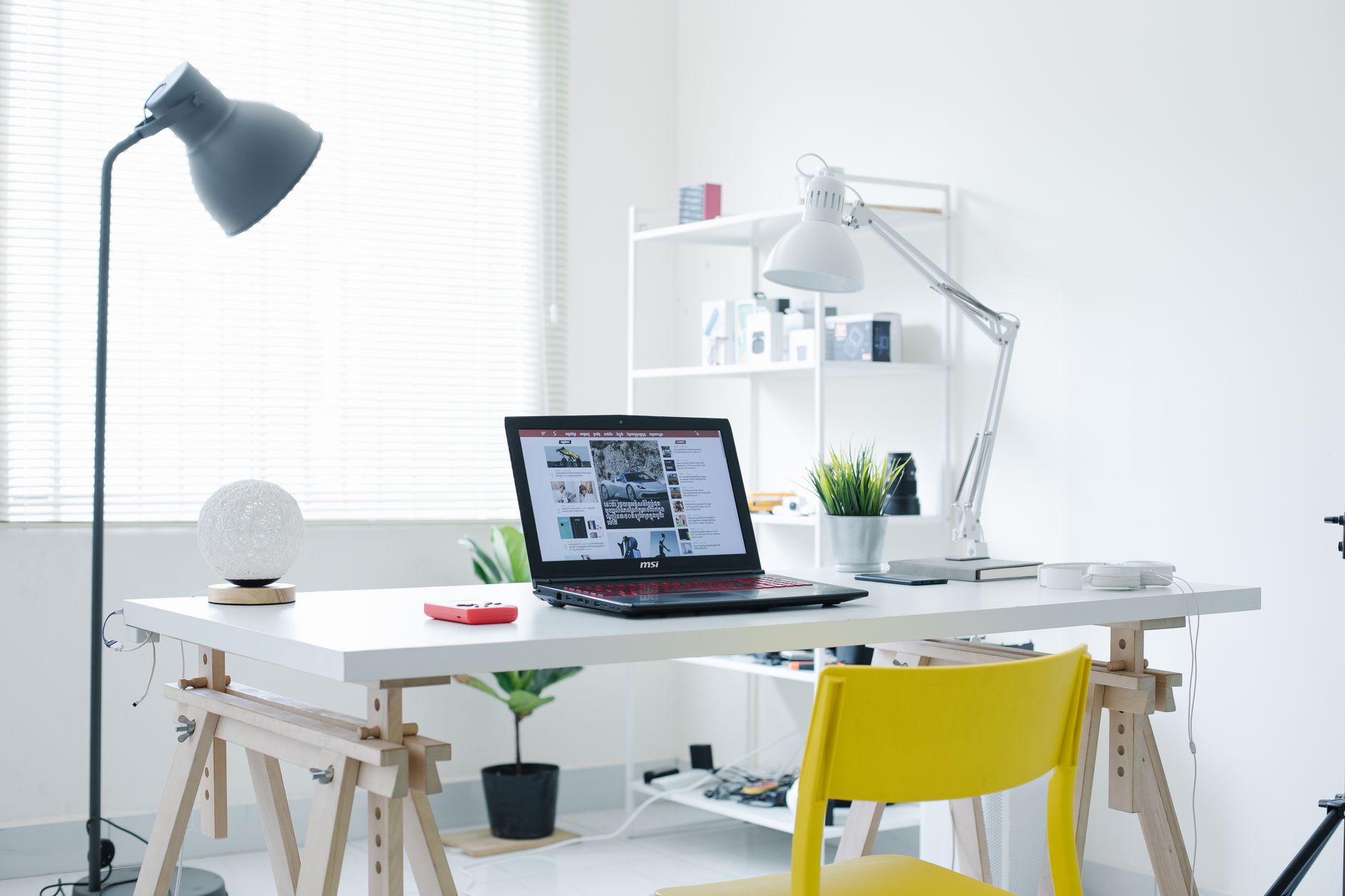
Top 5 Picks
1. Pothos (Epipremnum aureum) — Best Overall
Verdict: the plant you cannot kill, and the one I recommend to almost everyone. It tolerates low light, forgives missed waterings, and grows fast enough to feel alive. Trailing vines also break up the hard lines of a monitor and a wall. That matters more than people admit.
- Pros: near-indestructible, thrives in low indirect light, propagates from a single cutting, cheap
- Cons: toxic to pets if chewed, can get leggy without occasional pruning, vines need a trim or they take over
2. Snake Plant (Sansevieria) — Best for Neglect
Verdict: the plant for people who forget they own plants. It stores water in stiff upright leaves, so it shrugs off two or three weeks of silence. Vertical growth also fits tight desk corners where a spreading plant would be a nuisance.
- Pros: survives drought and low light, structural shape, nearly pest-free, slow-growing
- Cons: slow to show change, overwatering is its only real killer, mild toxicity to pets
3. ZZ Plant (Zamioculcas zamiifolia) — Best for Low Light
Verdict: if your desk sits far from any window, this is the one. It handles dim corners that would slowly starve a pothos. Glossy leaves look tidy, and it asks for water roughly once a month. Sometimes less.
- Pros: excellent low-light tolerance, drought-proof, clean modern look, pest-resistant
- Cons: pricier than pothos, toxic to pets, grows slowly so it feels static
4. Peace Lily (Spathiphyllum) — Best for Dry Air
Verdict: a plant that tells you when it’s thirsty, which is a feature, not a flaw. The leaves droop dramatically, you water it, and it perks back up within hours. That feedback loop is genuinely useful if you’re learning.
- Pros: clear water signals, tolerates low light, raises local humidity slightly, blooms indoors
- Cons: dramatic wilting alarms beginners, toxic to pets, brown tips if your water is hard
5. Chinese Evergreen (Aglaonema) — Best Looking
Verdict: the pick for a desk you actually look at all day. Patterned leaves in silver, pink, and red hold their color in shade, where most variegated plants fade to plain green.
- Pros: striking foliage, low-light tolerant, forgiving of irregular watering, compact
- Cons: slower growth, toxic to pets, cold drafts cause leaf drop

Buying Guide
Ignore the tag that says “easy care.” Every plant is easy in the right spot and hard in the wrong one. What matters is light, pot, and water discipline. Get those three right and almost anything survives.
Light. This is the whole game. “Low light” does not mean a dark interior office with no windows. It means a spot a few feet back from a north or east window, or across the room from a bright one. If you can comfortably read a book there in daylight, most of the plants above will manage. If you need a lamp at noon, nothing on this list will thrive — you’d need a grow light, which is a different purchase.
Pot and drainage. A plant in a sealed decorative pot with no drainage hole is a slow drowning. Buy a nursery pot with holes and drop it into a cover pot, then empty the cover after watering. This one habit prevents more deaths than any fertilizer.
Size. A desk is a small footprint. A six-inch nursery pot is the sweet spot — big enough to be visible, small enough to leave room for your actual work. Anything larger starts competing with your keyboard.
Watering. Water when the top inch or two of soil is dry, not on a schedule. A $10 moisture meter removes all guesswork and is the single best accessory you can buy. The number one cause of desk plant death is kindness — watering too often.
Toxicity. Four of my five picks are toxic to cats and dogs if chewed. If you have a pet that samples foliage, either raise the plant out of reach or swap to a safe option like a spider plant or a Boston fern. Check before you buy, not after.
What to Avoid
Skip anything marketed as a “focus plant” or “air purifying” hero. The air-purifying claim comes from a NASA study done in sealed chambers with hundreds of plants — your desk holds one. It isn’t cleaning your air in any measurable way. Buy for looks and resilience, not filtration.
Avoid tiny succulents in glass jars with no drainage. They look charming, then rot from the bottom up because the water has nowhere to go. Succulents also want more light than most desks provide, so they stretch into sad, leggy stalks within a month.
Be wary of plants sold in full bloom. A flowering plant at the store is often at the end of a forced cycle and will decline fast once it’s home. Buy for foliage, which lasts.
And don’t buy a plant because a lifestyle photo made it look good on a walnut desk. Match the plant to your light and your memory, not to an aesthetic. A pothos in mediocre light beats a fiddle-leaf fig in a dark corner every single time.
Overlooked Category
Most buyers never consider a propagation station — a small glass vessel holding cuttings in water. It isn’t a plant you buy so much as a plant you grow from one you already own. Snip a pothos vine below a node, drop it in water on your desk, and roots appear in a couple of weeks. It gives you the same green texture for free, teaches you how plants actually work, and costs nothing after the initial purchase. For a minimalist, that’s close to ideal: one plant becomes five, and you never buy again.
Verdict
Buy one plant, not five. A single healthy pothos in a decent spot will do more for your desk than a crowded shelf of struggling specimens. If your light is weak, get the ZZ plant instead. If you forget to water, get the snake plant. Skip the air-purifying claims, skip the sealed pots, and stop watering on a schedule. Then leave it alone and let it work.
- Pothos wins for most desks; ZZ plant wins for genuinely low light
- Always use a pot with drainage and empty the cover after watering
- Water when the top inch of soil is dry, never on a fixed schedule
- Check pet toxicity before buying — most popular desk plants are toxic
- Ignore air-purifying marketing; buy for light tolerance and resilience
What’s the light actually like where you sit right now? Answer that honestly and the choice makes itself.